

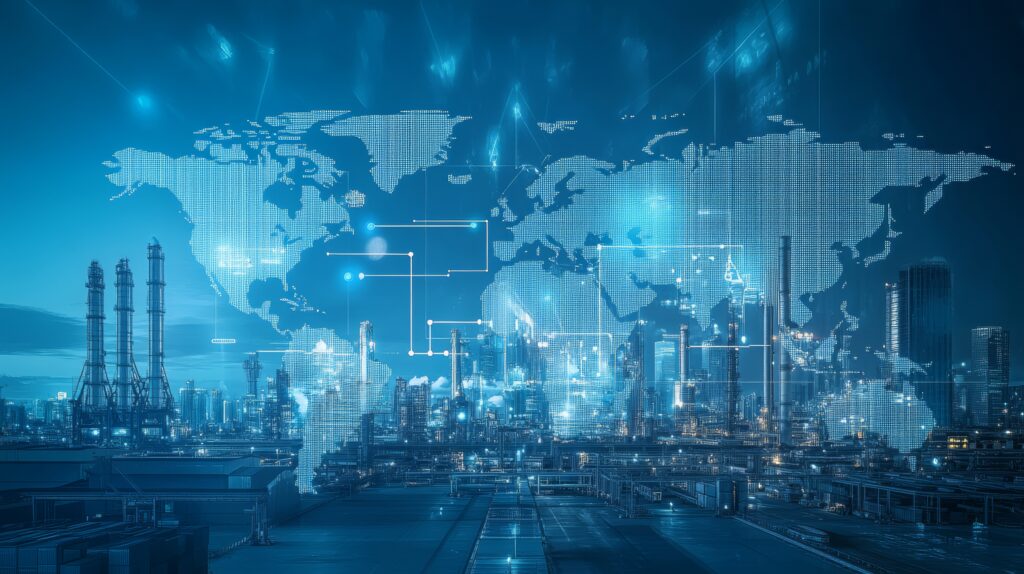
Why Global OEMs Are Looking Beyond Traditional Supplier Networks
For decades, the playbook for original equipment manufacturers was remarkably stable: identify a handful of trusted suppliers, usually concentrated in a small number of low-cost

In a significant turn in the U.S.–India trade relations, the United States has imposed sweeping tariff measures of up to 50% on numerous Indian exports. The sharp increase has doubled earlier rates and intensified the US tariffs impact on India’s current export economy.
This protectionist move poses challenges not just for Indian manufacturers but also for the U.S. OEMs who rely heavily on cost-effective Indian components.
In this blog, we will explore: how U.S. tariffs are reshaping costs and supply chains, the impact on India’s export-led industries and how they are responding, and how Machine Maze provides a vital, agile solution for OEMs navigating these turbulent times.
In August 2025, the U.S. layered a second 25% tariff on top of an existing 25% reciprocal duty, targeting industries like garments, gems, textiles, leather goods, furniture, chemicals, and auto parts which brings the total duty to a staggering 50%.
In the case of U.S. manufacturers, the sharp rise in import costs translates directly into higher production expenses, especially for sectors such as automotive, engineering products, and industrial parts.

India’s export-dependent sectors like textiles, gems and jewelry, leather, footwear, engineering goods, car parts, and seafood are bearing the brunt of these tariffs.
However, exporters express concern over sustainability. As one leather goods export leader put it: “This is an absolute shock… some product lines will simply become unviable overnight.”
The 50% tariffs not only damaged the Indian exporters, but also U.S and other world supply chains. The industries dependent on Indian-manufactured car parts and industrial components now have a high input price, restricting the profit margins and competitiveness especially in the electronics and automotive industry.
The tariffs also risk weakening strategic relationships: U.S.-India relationships, which have been characterized by a spirit of mutual cooperation, and are now under severe pressure. Critics fear that global economic tension may extend to the defense, technology, and geopolitical domains.
India is responding by re-aligning domestic policies and international outreach:
The rupee has weakened; trading around ₹88.2 to ₹88.3 per USD and adding currency pressure to exporters and investors, and potentially contributing to capital outflows unless tariff relief materializes.
The 50% U.S. tariffs represent a formidable barrier to India’s manufacturing competitiveness, but Indian factories continue to adapt by diversifying markets, leaning on domestic demand, and innovating where possible.
At the same time, OEMs grappling with higher import costs, trade wars and disrupted supply chains need reliable, agile manufacturing partners.
Machine Maze offers exactly that; a smart, resilient, multi-regional manufacturing network that helps OEMs navigate uncertainty, control costs, and stay ahead. Tariffs may be volatile, but with Machine Maze as a strategic ally, manufacturing remains agile and future-ready.Reach out with your queries at info@machinemaze.com and collaborate with an experienced team that’ll guide you to source your industrial components by connecting you to a verified network of partners in India. This will enable you to meet your component manufacturing demands, thus helping companies to mitigate US Tariffs.
Call now!
+91 81233 30885
For decades, the playbook for original equipment manufacturers was remarkably stable: identify a handful of trusted suppliers, usually concentrated in a small number of low-cost
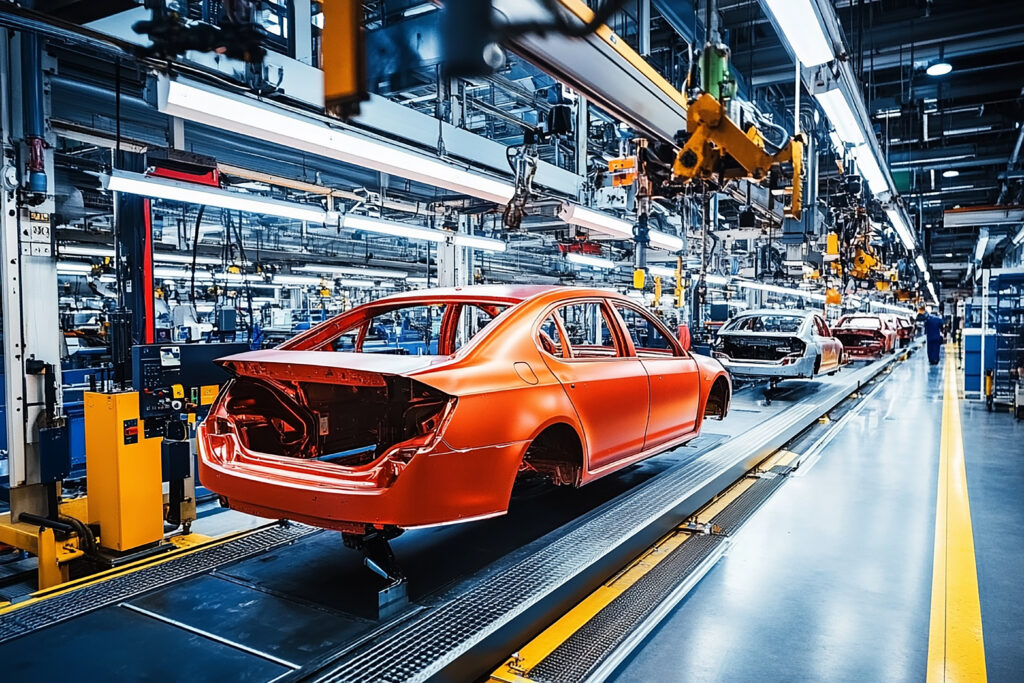
Energy costs remain elevated. Skilled labor is scarce and expensive. Regulatory and compliance overheads keep climbing. Meanwhile, the pressure to deliver vehicles at competitive price
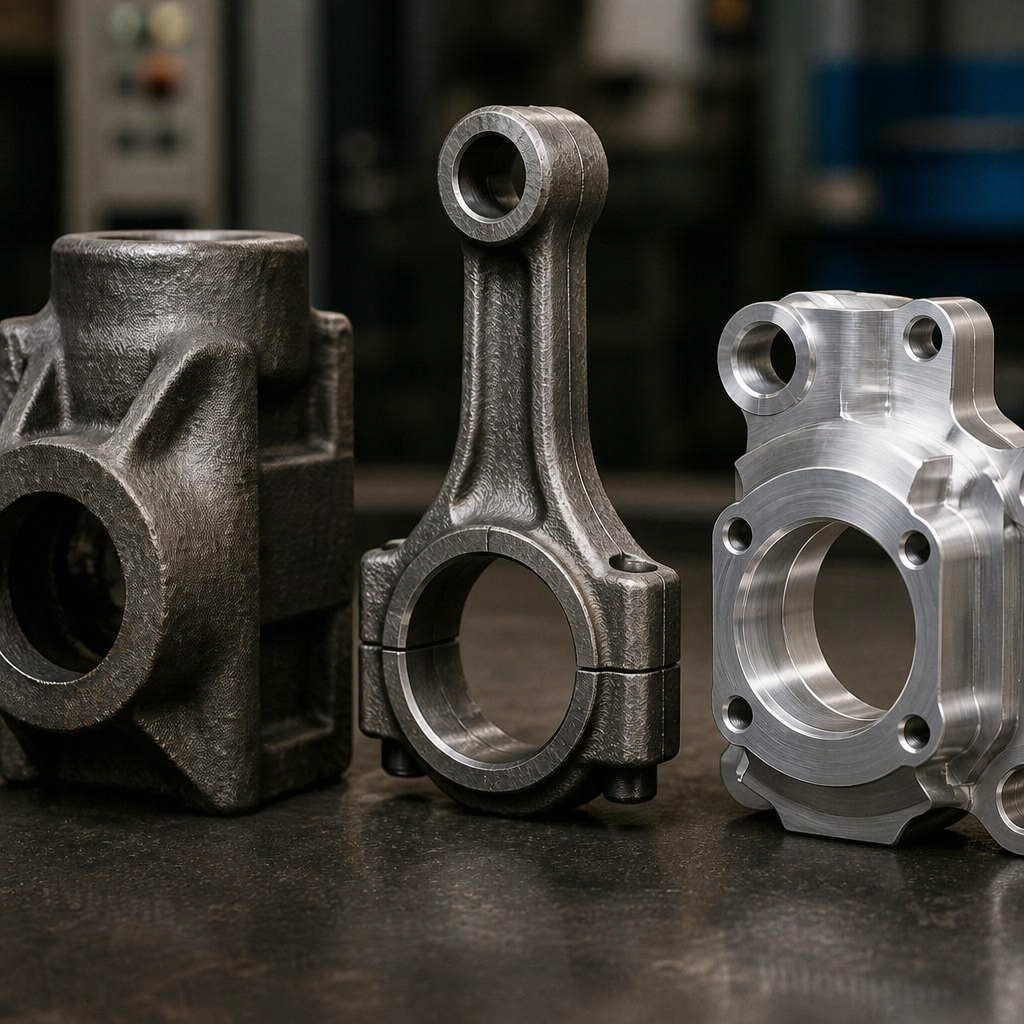
Choosing the right manufacturing process is one of the most consequential decisions an OEM makes before a part ever reaches production. Casting, forging, and machining