

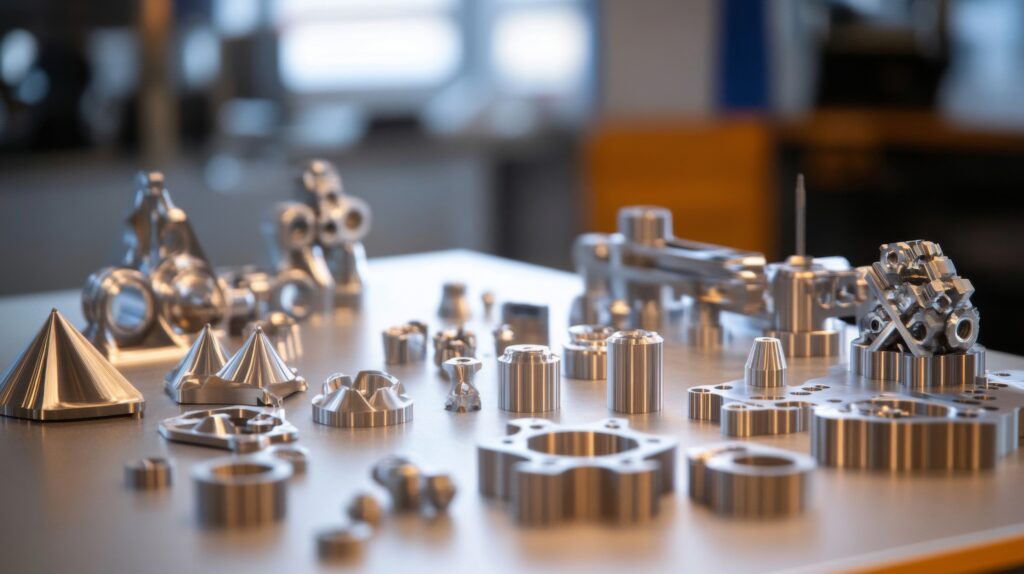
Why High-Mix Manufacturing Matters for Test Equipment and Specialized Industrial Products
The manufacturing problem nobody puts on the spec sheet A semiconductor tester, a hydraulic test bench, a calibration rig for EV battery packs: each is

Power transmission whether mechanical or electrical, is the backbone of modern industry. Systems such as transmission shafts, hollow shaft motors, and electric power transmission equipment ensure energy moves reliably from generation points to end-use, whether in factories, vehicles, or grids. Historically, these systems have prioritized performance and cost over environmental impact. However, the urgent need to reduce greenhouse gas emissions and meet global climate goals has driven a shift toward sustainable engineering, where advanced eco-materials and lifecycle design play central roles.
This article explores how sustainability is being engineered into power transmission systems from materials selection to manufacturing processes and quantifies carbon footprint impacts in key components.
Mechanical power transmission refers to systems that transfer energy through physical contact, e.g., gears, shafts, couplings, and bearings. Transmission shafts are central to this by conveying rotational power between components like engines, motors, and wheels.
Traditional shafts are solid steel, which, although strong, is heavy and carries a significant environmental footprint when considering raw materials and machining.
Electric power transmission covers the infrastructure and equipment that carry electrical energy:
Electric motors alone represent a significant share of industrial energy use. Improving their efficiency and sustainability can have cascading benefits. Using advanced eco-materials in both mechanical and electrical components is one of the most effective ways to reduce manufacturing emissions.
Read more on: Electric Motors
In electrical equipment like motors and transformers:
These materials are vital to performance but are energy-intensive to produce.
| Shaft Type | Mass Reduction | Carbon Emission Reduction |
|---|---|---|
| Hollow vs Solid (moderate ID) | ~8.7–35.6% | ~8.7–35.6% fewer kgCO₂e |
Sustainable design considers the entire lifespan:
The manufacturing sector is energy and carbon-intensive across many industries:
In power transmission manufacturing, adopting sustainable practices not only reduces the emissions of components but also helps improve factory energy efficiency and lower operational carbon footprints throughout the supply chain.
Leading companies apply multiple strategies:
Example: A low-loss conductor design in high-voltage lines can save ~60,000 kg of CO₂ emissions per year by reducing line losses.
Sustainable power transmission engineering lies at the nexus of advanced materials, energy-efficient design, and lifecycle thinking. By replacing heavy, high-emission materials with optimized alloys and composites, adopting hollow shaft geometries, and integrating lifecycle carbon accounting, the industry can significantly reduce its carbon footprint.
Key takeaways:
As global climate commitments tighten, embedding sustainability into mechanical and electrical power transmission design from material selection to end-of-life recycling will be critical for both environmental stewardship and long-term engineering performance.
The manufacturing problem nobody puts on the spec sheet A semiconductor tester, a hydraulic test bench, a calibration rig for EV battery packs: each is
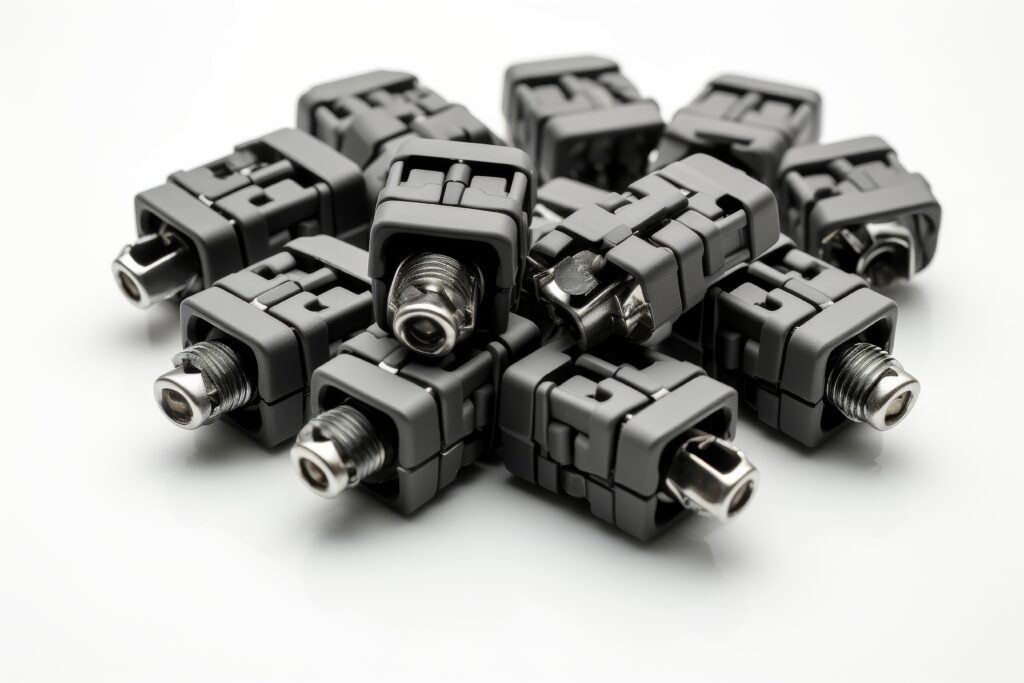
For original equipment manufacturers, plastic injection molding remains one of the most reliable and cost-effective ways to produce complex, high-precision components at scale. From automotive

For decades, the playbook for original equipment manufacturers was remarkably stable: identify a handful of trusted suppliers, usually concentrated in a small number of low-cost