


Why Global OEMs Are Looking Beyond Traditional Supplier Networks
For decades, the playbook for original equipment manufacturers was remarkably stable: identify a handful of trusted suppliers, usually concentrated in a small number of low-cost
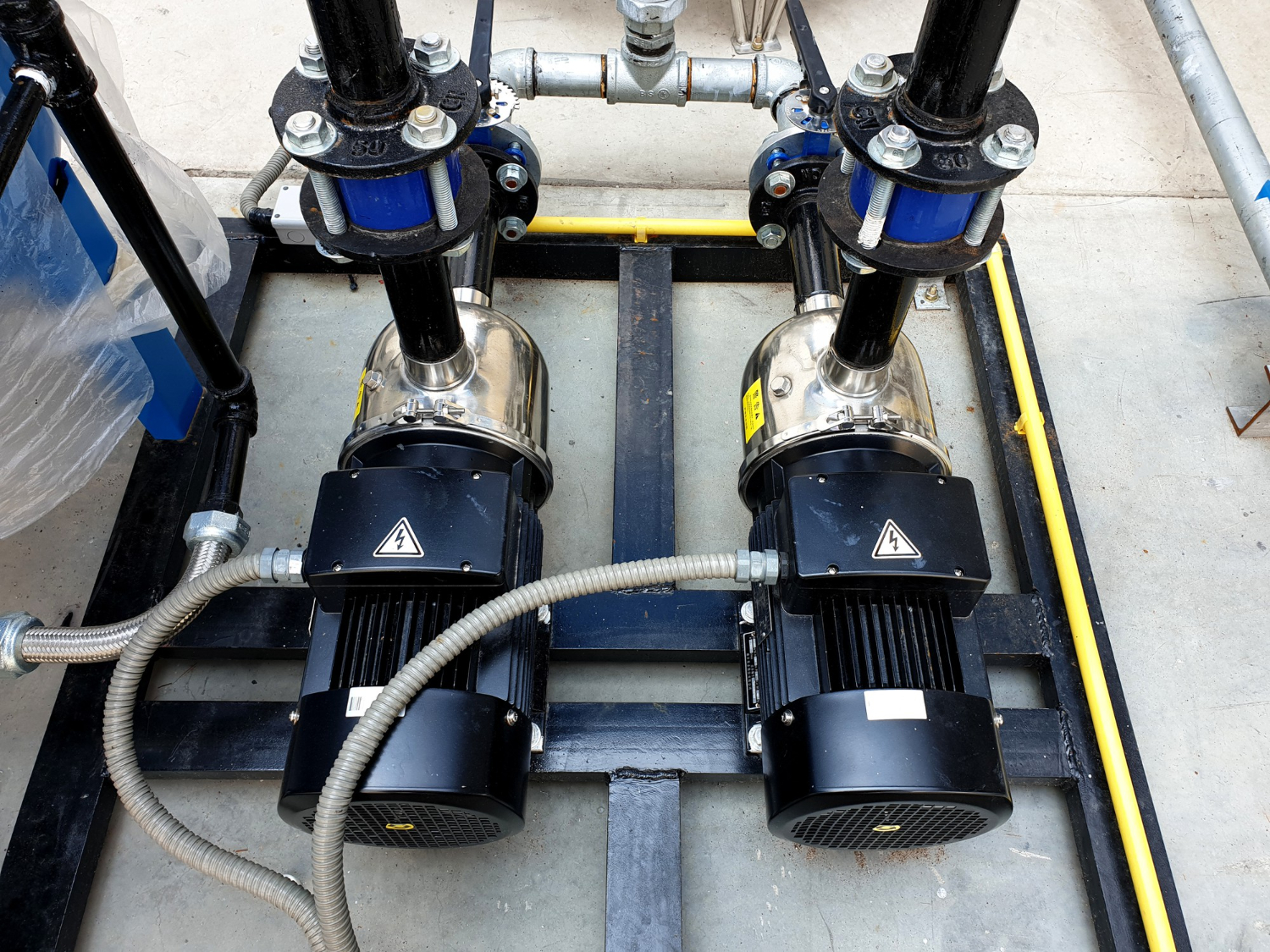
In today’s highly competitive industrial landscape, hydraulic manufacturing companies are under constant pressure to reduce costs, improve quality, shorten lead times, and meet increasingly customized customer demands. Hydraulic system production covering pumps, valves, cylinders, hoses, and power units often involves complex assemblies, tight tolerances, and multi-stage processes. This complexity makes it an ideal candidate for Lean Manufacturing implementation.
Lean Manufacturing focuses on eliminating waste, optimizing workflows, and delivering maximum value to customers with minimal resources. When applied effectively, lean production principles can significantly enhance efficiency, consistency, and profitability in hydraulic system production, whether for OEMs or contract manufacturing partners.
This article explores key lean manufacturing techniques, their application in hydraulic production environments, and the tangible benefits they bring to modern hydraulic manufacturers.
Lean Manufacturing is a systematic approach that aims to eliminate non-value-added activities commonly referred to as “waste.” In hydraulic system production, waste often appears in the form of:
By aligning lean production with hydraulic manufacturing processes, companies can achieve higher throughput, improved quality, and better resource utilization.
Value Stream Mapping is the foundation of any lean initiative. It visually represents the flow of materials and information from raw material procurement to finished hydraulic system delivery.
Application in Hydraulic Manufacturing:
Benefits:
VSM often reveals that only 10–15% of total production time is value-added, providing strong justification for lean improvements.
The 5S methodology Sort, Set in Order, Shine, Standardize, and Sustain is particularly effective in hydraulic assembly and testing areas.
Implementation Examples:
Impact:
Many hydraulic manufacturers report 20–30% productivity improvement after successful 5S implementation.
Hydraulic systems require precision, consistency, and strict adherence to specifications. Standardized work ensures that every operator performs tasks in the safest and most efficient way.
Key Areas for Standardization:
Benefits:
Standardized work is especially valuable in contract manufacturing, where multiple customer specifications must be met reliably.
Just-In-Time production aligns material supply with actual demand, minimizing excess inventory and storage costs.
JIT in Hydraulic System Production:
Advantages:
However, successful JIT requires strong supplier relationships and reliable forecasting, critical factors for hydraulic manufacturing operations.
Kanban is a visual scheduling system that supports JIT by signaling when materials need replenishment.
Hydraulic Manufacturing Use Cases:
Results:
Kanban systems are particularly effective in high-mix, low-volume hydraulic system production environments.
SMED focuses on reducing setup and changeover times, a common challenge in hydraulic machining and assembly.
Typical Applications:
Benefits:
Lean production studies show that SMED can reduce setup times by 50–70% when implemented correctly.
Kaizen emphasizes small, continuous improvements driven by employees at all levels.
Kaizen in Hydraulic System Production:
Outcomes:
Kaizen fosters a culture where quality and efficiency improvements become part of daily operations.
Hydraulic systems are sensitive to errors such as incorrect fittings, reversed connections, or contamination.
Poka-Yoke Examples:
Benefits:
Error-proofing is critical in lean hydraulic manufacturing environments focused on zero-defect production.
For companies engaged in contract manufacturing, lean production offers additional advantages:
Lean-enabled hydraulic manufacturers are better positioned to serve OEMs in construction, agriculture, automotive, and industrial automation sectors.
Key performance indicators (KPIs) commonly used include:
| KPI | Lean Impact |
|---|---|
| Lead Time | Reduced by 30–50% |
| Inventory Levels | Reduced by 25–40% |
| First Pass Yield | Improved to 95%+ |
| Overall Equipment Effectiveness (OEE) | Increased by 10–20% |
| Production Cost | Reduced by 15–30% |
These metrics help quantify the success of lean manufacturing initiatives in hydraulic system production.
Lean Manufacturing is no longer optional it is a strategic necessity for modern hydraulic manufacturing companies. By applying lean principles such as value stream mapping, 5S, standardized work, JIT, Kanban, SMED, and continuous improvement, manufacturers can significantly enhance efficiency, quality, and responsiveness.
In an industry where precision, reliability, and speed are paramount, lean production enables hydraulic system manufacturers and contract manufacturing partners to stay competitive, reduce waste, and deliver superior value to customers.
As hydraulic system complexity continues to increase, lean manufacturing techniques will remain a critical driver of sustainable growth and operational excellence.
For decades, the playbook for original equipment manufacturers was remarkably stable: identify a handful of trusted suppliers, usually concentrated in a small number of low-cost

Energy costs remain elevated. Skilled labor is scarce and expensive. Regulatory and compliance overheads keep climbing. Meanwhile, the pressure to deliver vehicles at competitive price
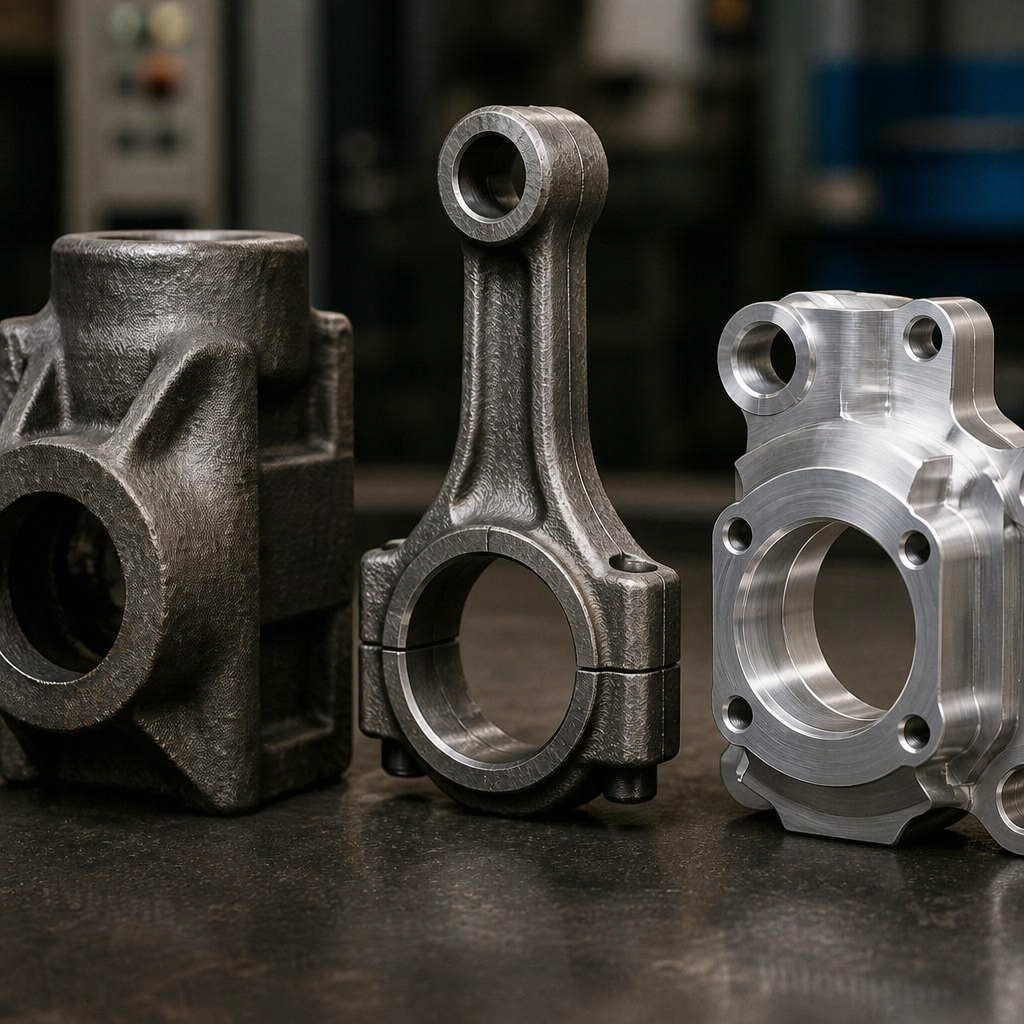
Choosing the right manufacturing process is one of the most consequential decisions an OEM makes before a part ever reaches production. Casting, forging, and machining