
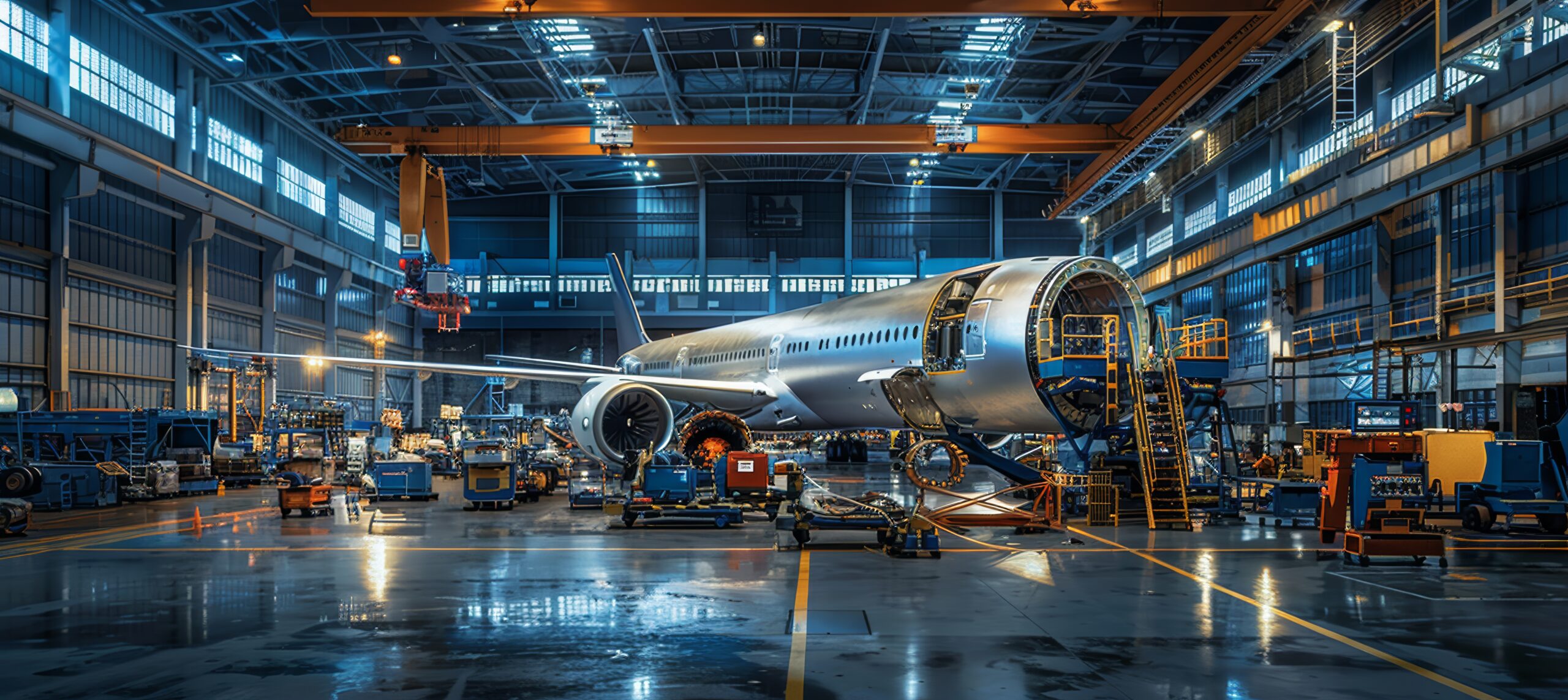
In the highly demanding world of aerospace manufacturing, precision is not just a requirement. It is the foundation upon which the entire industry stands. From commercial aircraft soaring at 35,000 feet to defense systems operating in extreme environments, every component must perform flawlessly. A single micron-level deviation can determine the difference between operational success and catastrophic failure. This is why precision engineering serves as the backbone of every successful aerospace manufacturing company.
As global air travel grows and defense technologies advance, aerospace companies are under increasing pressure to deliver lighter, stronger, safer, and more efficient systems. At the heart of these advancements lies precision engineering, a discipline that combines advanced design, high-accuracy machining, strict quality control, and innovative manufacturing technologies.
The Critical Nature of Precision in Aerospace Manufacturing
Unlike many other industries, aerospace operates in environments where margins for error are virtually nonexistent. Aircraft and spacecraft are subjected to:
- Extreme temperature variations
- High pressure differentials
- Intense vibration and mechanical stress
- Long operational lifespans
- Strict international safety regulations
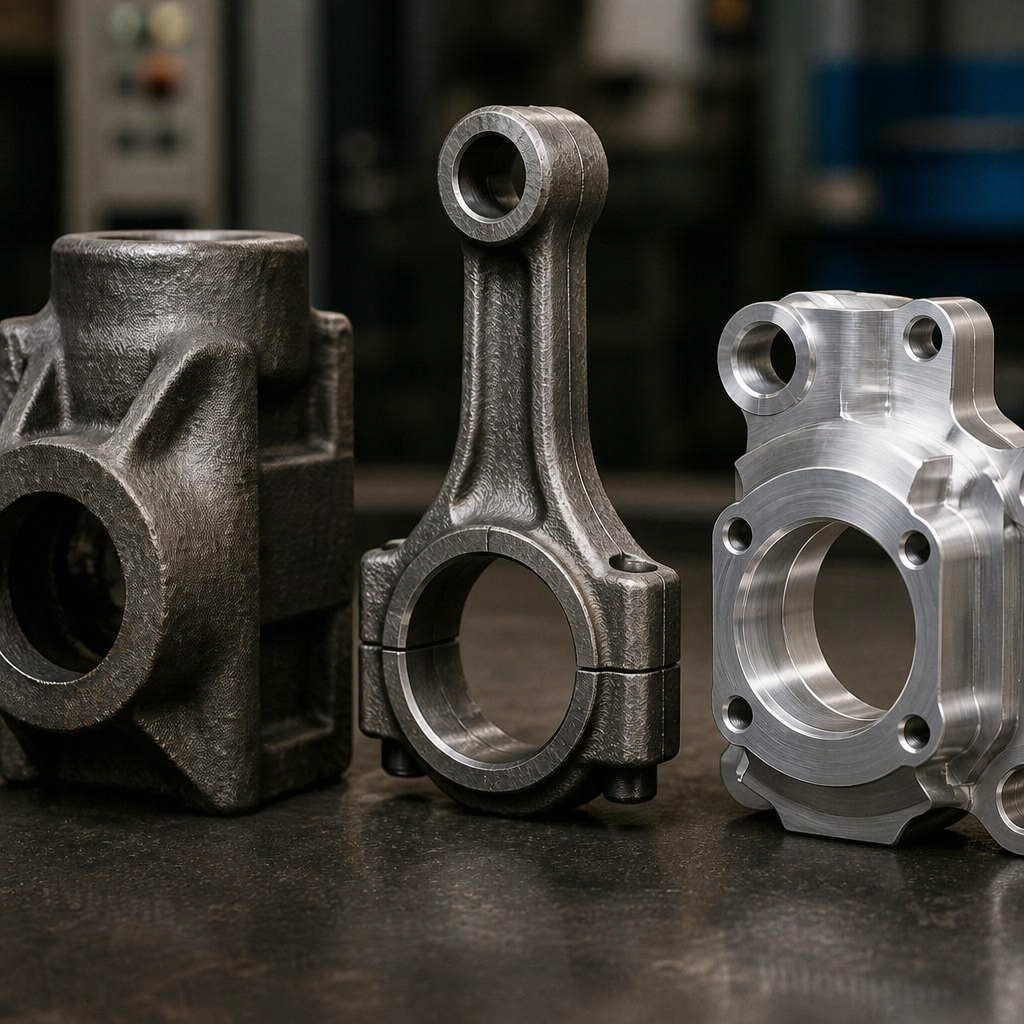
Every aerospace part, whether it is a turbine blade, structural bracket, landing gear component, or avionics housing, must meet incredibly tight tolerances. Even the smallest inaccuracy can affect aerodynamic performance, fuel efficiency, structural integrity, or system reliability.
For this reason, aerospace parts manufacturing demands a level of precision that exceeds most industrial standards. Tolerances are often measured in microns, and quality assurance processes are rigorous and multi-layered.
What Is Precision Engineering in Aerospace?
Precision engineering in aerospace refers to the design and manufacturing of components with extremely tight dimensional accuracy and high repeatability. It integrates:
- Computer-Aided Design (CAD)
- Computer-Aided Manufacturing (CAM)
- CNC machining
- 5-axis and multi-axis machining
- Electrical Discharge Machining (EDM)
- Additive manufacturing
- Advanced metrology and inspection systems
Modern aerospace manufacturing companies invest heavily in cutting-edge equipment and skilled engineers to ensure that every component adheres to exact specifications.
The goal is simple yet demanding: produce complex geometries with flawless accuracy, consistent quality, and zero compromise on safety.
Why Aerospace Companies Depend on Precision Engineering
1. Safety Is Non-Negotiable
Safety is the cornerstone of aerospace. Commercial airlines transport millions of passengers daily, and defense aerospace companies handle mission-critical operations. A structural failure or mechanical malfunction can have severe consequences.
Precision engineering ensures that:
- Structural components align perfectly
- Fasteners and joints fit securely
- Engine parts function at optimal performance
- Systems integrate without mechanical stress
Without precise manufacturing, long-term reliability cannot be guaranteed.
2. Regulatory Compliance and Certifications
The aerospace sector is one of the most heavily regulated industries in the world.
It imposes strict requirements on aerospace parts manufacturing.
To meet these standards, aerospace companies must demonstrate complete traceability, documented processes, and measurable accuracy. Precision engineering enables compliance through:
- Controlled machining processes
- Detailed inspection reports
- Statistical quality control
- Advanced metrology systems
Failure to meet regulatory standards can result in grounding of aircraft, financial penalties, and reputational damage.
3. Performance and Fuel Efficiency
Modern aircraft are designed to be lighter, faster, and more fuel-efficient. Precision plays a vital role in achieving these goals.
For example:
- Aerodynamic components must be shaped with extreme accuracy to reduce drag.
- Engine parts must fit seamlessly to maximize combustion efficiency.
- Structural elements must maintain strength while minimizing weight.
Even small dimensional inconsistencies can reduce fuel efficiency and increase operational costs. This is why even the biggest aerospace companies rely on precision engineering to maintain competitive performance standards.
4. Complex Materials Demand High Accuracy
The aerospace industry uses advanced materials such as:
- Titanium alloys
- Aluminum-lithium alloys
- Inconel
- Carbon fiber composites
These materials are chosen for their strength-to-weight ratio and resistance to heat and corrosion. However, they are also challenging to machine.
Precision engineering techniques allow aerospace manufacturing companies to work with these materials effectively while maintaining tight tolerances and surface finishes.
Advanced machining strategies reduce thermal distortion, prevent micro-cracks, and ensure structural integrity.
Read Article Here –> Digitization is Shaping Aerospace Manufacturing- Let’s Fly to the Future
The Role of Advanced Technologies in Aerospace Precision
1. CNC and Multi-Axis Machining
Computer Numerical Control (CNC) machining has revolutionized aerospace parts manufacturing. Multi-axis machining allows complex components to be produced in a single setup, improving:
- Dimensional accuracy
- Surface finish
- Production efficiency
5-axis machining, in particular, enables intricate geometries required in turbine blades, impellers, and structural aerospace parts.
2. Additive Manufacturing (3D Printing)
Additive manufacturing is transforming aerospace production. It enables:
- Lightweight lattice structures
- Reduced material waste
- Complex internal geometries
- Faster prototyping
Many defense aerospace companies use additive manufacturing for mission-critical components, where precision and rapid innovation are essential.
3. Advanced Metrology and Inspection
Precision does not end at machining it must be verified. Aerospace companies use:
- Coordinate Measuring Machines (CMM)
- Laser scanners
- Optical measurement systems
- Non-destructive testing (NDT)
These tools ensure that every aerospace part meets design specifications before deployment.
Inspection data also provides traceability and documentation required for compliance.
Precision Engineering in Defense Aerospace Companies
Defense aerospace companies operate in some of the most demanding environments imaginable. Military aircraft, unmanned aerial systems, missiles, and space defense systems must perform under extreme conditions.
Precision engineering supports defense applications by ensuring:
- High durability under stress
- Accurate targeting systems
- Reliable propulsion systems
- Consistent performance in hostile environments
National security depends on the reliability of these systems, making precision engineering indispensable.
The Competitive Advantage for Aerospace Manufacturing Companies
In a globalized market, competition among aerospace companies is intense. The biggest aerospace companies have built their reputations on consistent quality and innovation.
Precision engineering provides competitive advantages such as:
- Reduced rework and scrap
- Lower long-term maintenance costs
- Faster time-to-market
- Stronger customer trust
- Enhanced global reputation
An aerospace manufacturing company that consistently delivers high-precision components becomes a trusted supplier for OEMs and government contracts.
Supply Chain Integration and Precision
Aerospace projects involve complex supply chains with multiple suppliers contributing specialized aerospace parts. For seamless integration:
- Every component must align perfectly
- Interfaces must match exact specifications
- Tolerances must be consistent across suppliers
Precision engineering ensures compatibility across the entire ecosystem, preventing costly delays and integration failures.
Sustainability and Efficiency Through Precision
Sustainability is becoming increasingly important in aerospace manufacturing. Precision engineering contributes by:
- Reducing material waste
- Improving fuel efficiency through optimized designs
- Extending component lifespan
- Lowering energy consumption during production
By minimizing errors and maximizing performance, aerospace companies can achieve both environmental and economic benefits.
The Human Element Behind Precision
While technology plays a major role, skilled engineers, machinists, and quality control experts remain essential.
An advanced aerospace manufacturing company invests in:
- Continuous workforce training
- Process optimization
- Lean manufacturing principles
- Innovation in design and tooling
The combination of expertise and technology ensures that precision remains consistent across projects.
The Future of Precision in Aerospace Manufacturing
The future of aerospace manufacturing will push precision to even greater levels. Emerging trends include:
- Artificial intelligence in predictive quality control
- Digital twins for simulation and validation
- Smart factories and Industry 4.0 integration
- Autonomous inspection systems
As aircraft become more advanced and space exploration expands, the demand for ultra-precise aerospace parts manufacturing will only increase.
The biggest aerospace companies are already investing in these innovations to maintain leadership in a rapidly evolving industry.
A quick thought –
Precision engineering is not merely a supporting function it is the backbone of every successful aerospace manufacturing company. From safety and compliance to performance and innovation, precision underpins every stage of production.
Whether serving commercial aviation or defense aerospace companies, the ability to manufacture high-quality, accurate, and reliable aerospace parts defines industry success.
In a sector where failure is not an option and excellence is mandatory, precision engineering remains the driving force that keeps aircraft flying safely, defense systems operating reliably, and the future of aerospace advancing confidently.
As aerospace companies continue to innovate and expand into new frontiers, one principle will remain constant: precision is everything.