
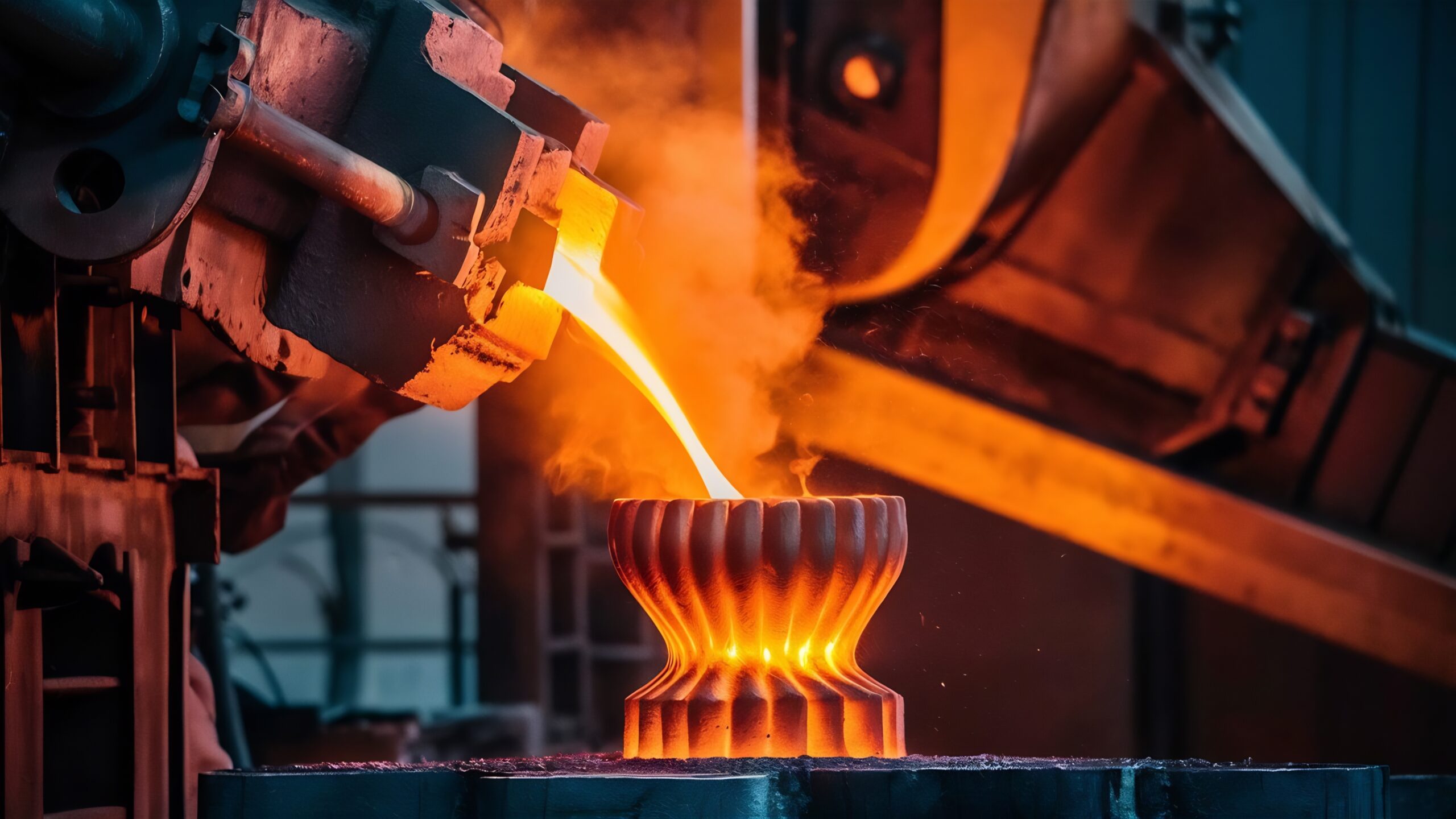
Ferrous casting, the process of melting iron-based metals and pouring them into molds to create complex components is one of the oldest manufacturing techniques in industrial history. From engine blocks and pipes to agricultural machinery and infrastructure components, ferrous castings underpin modern industry. Yet this vital sector is also resource-intensive, generating significant energy consumption, greenhouse gas emissions, solid waste, and water use. As environmental pressures mount and regulatory frameworks tighten, the ferrous casting industry faces an urgent imperative: to transform its operations through sustainable practices that balance productivity with planetary stewardship.
Here are some Sustainable Practices in Ferrous Casting Manufacturing :
- Energy Efficiency — transitioning from cupola to induction furnaces and waste heat recovery
- Scrap Utilization — leveraging circular economy principles with recycled metal
- Sand Reclamation — recovering up to 95% of foundry sand and repurposing slag
- Water Management & Pollution Prevention — closed-loop systems and emissions controls
- Greener Binder Chemistry — inorganic and bio-based alternatives to reduce VOCs
- Digital Technologies — simulation, AI, and digital twins to cut waste and energy
Energy Efficiency: The Cornerstone of Green Casting
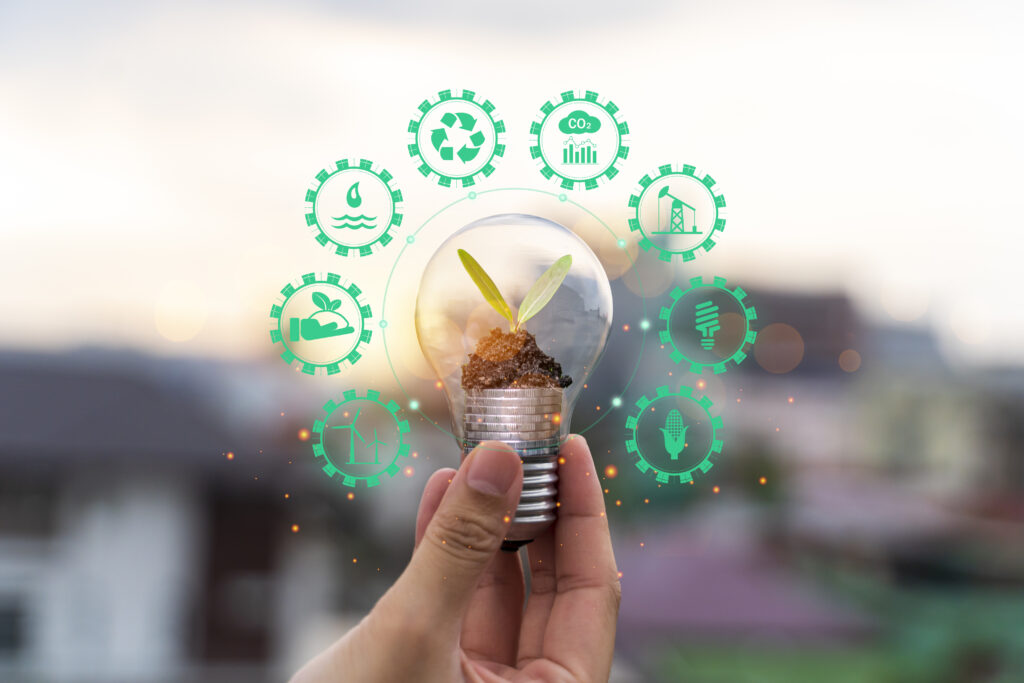
Energy is the single largest input cost in ferrous casting, and reducing it is the most impactful lever for sustainability. Traditional cupola furnaces, while cost-effective, are energy-hungry and produce considerable CO₂ and particulate emissions. Many forward-thinking foundries are transitioning to electric induction furnaces, which offer superior energy efficiency, precise temperature control, and dramatically lower direct emissions. Combined with renewable energy sourcing solar, wind, or grid-certified green power induction-based operations can reduce a foundry’s carbon footprint by up to 60% compared to conventional processes.
Beyond furnace technology, waste heat recovery is emerging as a critical strategy. The enormous thermal energy expelled during melting, pouring, and cooling can be captured through regenerative burners, recuperators, and heat exchangers, and redirected to preheat raw materials or power facility HVAC systems. Smart energy management systems that monitor consumption in real time and identify optimization opportunities are also becoming standard tools in sustainable foundry operations.
Scrap Utilization and Circular Economy Principles
One of the most elegant sustainability features of ferrous casting is the inherent recyclability of iron and steel. Scrap metal sourced from end-of-life vehicles, demolition waste, industrial offcuts, and in-house returns can substitute for virgin raw materials almost entirely in many casting grades. Maximizing scrap utilization not only conserves natural resources like iron ore and coke but also reduces energy consumption, since melting scrap requires far less energy than processing virgin ore.
Embracing circular economy principles means foundries actively design for material recovery. This includes tracking alloy compositions to ensure recycled metal meets specification, working with downstream customers to facilitate end-of-life return programs, and collaborating with scrap dealers to maintain reliable supply chains of high-quality recyclable material. When scrap quality and traceability improve, foundries can reduce alloying additions, cutting costs and emissions simultaneously.
Sand Reclamation and Waste Reduction
Green sand molding and no-bake processes generate enormous volumes of used foundry sand a significant waste stream that historically ended up in landfills. Today, mechanical, thermal, and combination reclamation systems allow foundries to recover and reuse 90–95% of their sand, slashing disposal costs and reducing the need for virgin silica. Reclaimed sand can also be repurposed beyond the foundry: in construction sub-bases, asphalt, cement manufacturing, and land reclamation projects, creating value from what was once considered waste.
Slag, another major byproduct of ferrous melting, is finding productive second lives as a substitute for aggregates in road construction, as a component in Portland cement, and as a soil amendment in agriculture. By treating every waste stream as a potential raw material for another industry, foundries move closer to the zero-waste ideal that defines leading sustainable manufacturing.
Water Management and Pollution Prevention
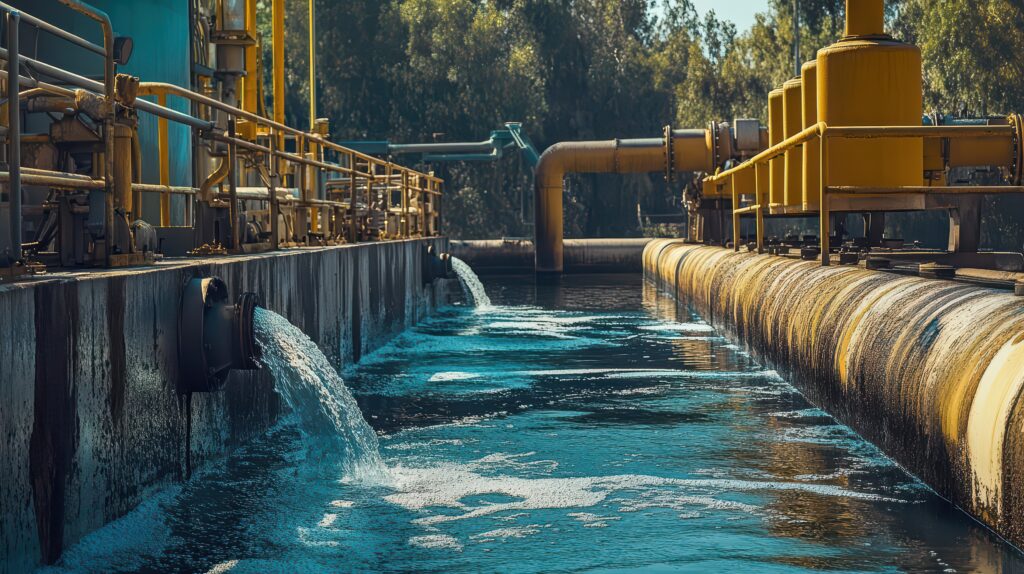
Ferrous casting operations require substantial water for cooling, binder systems, dust suppression, and sand handling. Closed-loop water recycling systems dramatically reduce freshwater withdrawal by treating and recirculating process water. Advanced filtration and settling systems remove suspended solids and contaminants before any discharge, protecting local waterways and meeting increasingly stringent effluent standards.
Dust and emissions control is equally critical. Bag filters, wet scrubbers, and electrostatic precipitators capture particulate matter and hazardous air pollutants generated during melting, pouring, and shakeout. Modern foundries increasingly invest in continuous emissions monitoring systems that provide real-time data, enabling rapid response to exceedances and demonstrating regulatory compliance with transparency.
Binder Chemistry and Greener Molding Systems
The chemical binders used to produce cores and molds in high-volume casting are a significant source of volatile organic compound (VOC) emissions and hazardous waste. The industry is actively shifting toward low-emission inorganic binder systems such as those based on waterglass or geopolymers that produce minimal fumes during pouring and are more easily reclaimed. Bio-based organic binders derived from renewable raw materials such as starch, tannins, and lignin are also gaining traction as lower-toxicity alternatives that reduce worker health risks alongside environmental impacts.
Digital Technologies Enabling Sustainable Casting
Simulation software, digital twins, and artificial intelligence are transforming how foundries design processes and manage resources. Virtual casting simulation allows engineers to optimize gating and risering systems before a single kilogram of metal is poured, reducing scrap rates, yield losses, and the number of costly trial pours. Machine learning algorithms can predict defect formation, adjust process parameters in real time, and optimize furnace charging sequences to minimize energy use. The result is a smarter, leaner process that produces more first-quality castings from less material and energy.
Check out : High Pressure Die Casting (HPDC): A Die Casting process through molten metal Injection
The Road Ahead
Sustainable ferrous casting manufacturing is not merely a regulatory obligation , it is a strategic opportunity. Foundries that invest in energy efficiency, circular material flows, clean process technologies, and digital intelligence position themselves as preferred suppliers to customers with their own sustainability commitments. They attract skilled talent who want to work for responsible employers, reduce long-term input costs, and build resilience against tightening environmental legislation.
As the global manufacturing sector accelerates its transition toward net-zero operations, ferrous casting must lead rather than lag. The technical pathways exist; what is needed now is the ambition and commitment to walk them. MachineMaze exemplifies this commitment in action. As a contract manufacturing partner deeply embedded in the ferrous casting supply chain, MachineMaze integrates environmental sustainability into every stage of its operations from raw material selection and energy procurement through process design, waste management, and quality assurance. MachineMaze’s manufacturing philosophy recognizes that producing world-class castings and protecting the natural environment are not competing goals but complementary ones, and that the most resilient, responsible, and forward-looking manufacturers are those who treat sustainability not as a compliance checkbox but as a core operating principle. In doing so, MachineMaze sets the standard for what responsible ferrous casting manufacturing looks like in the twenty-first century.