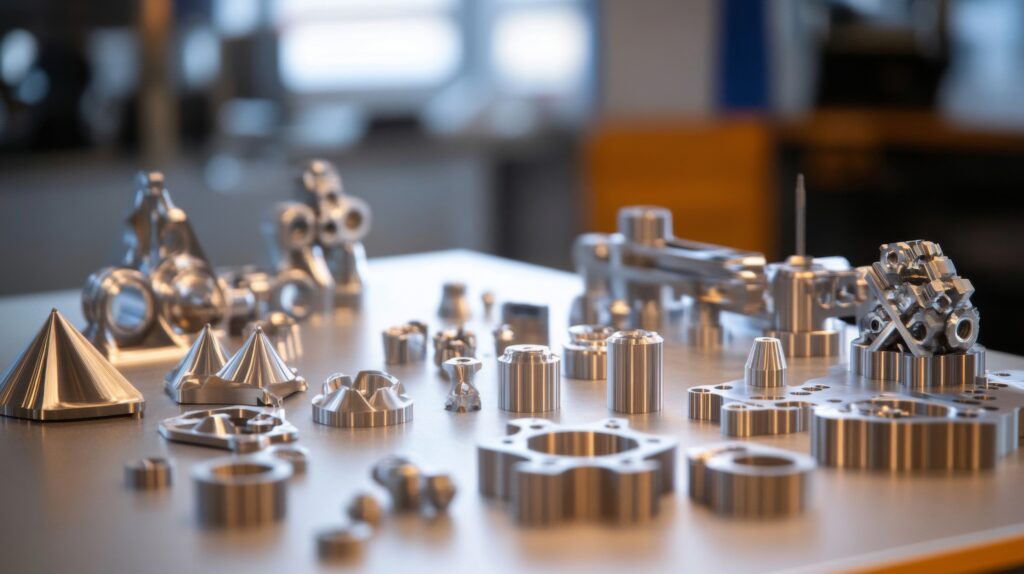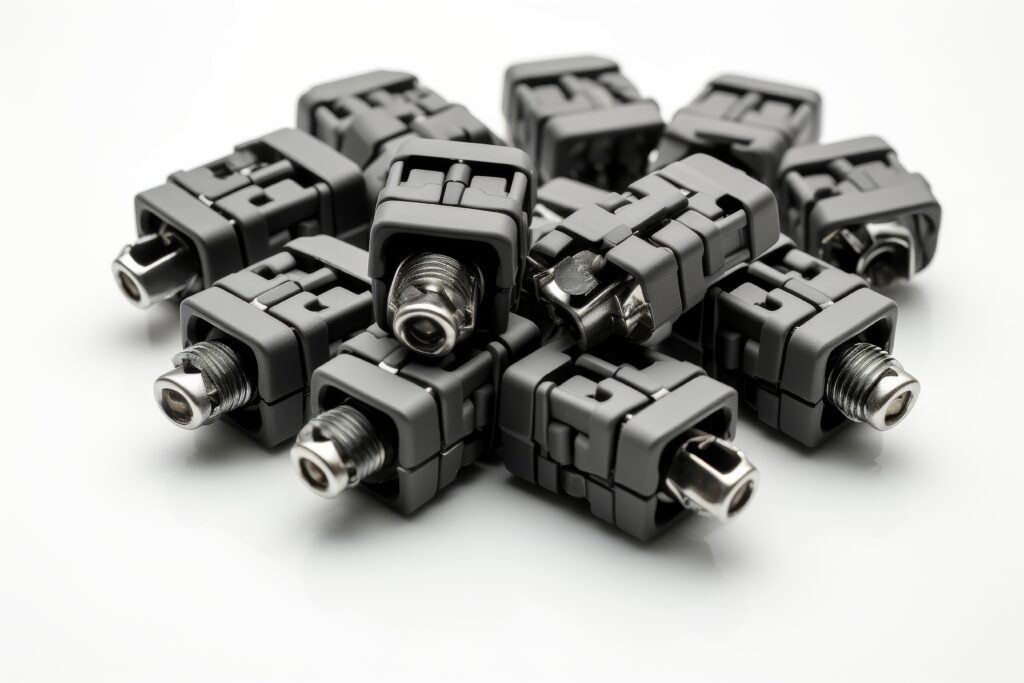

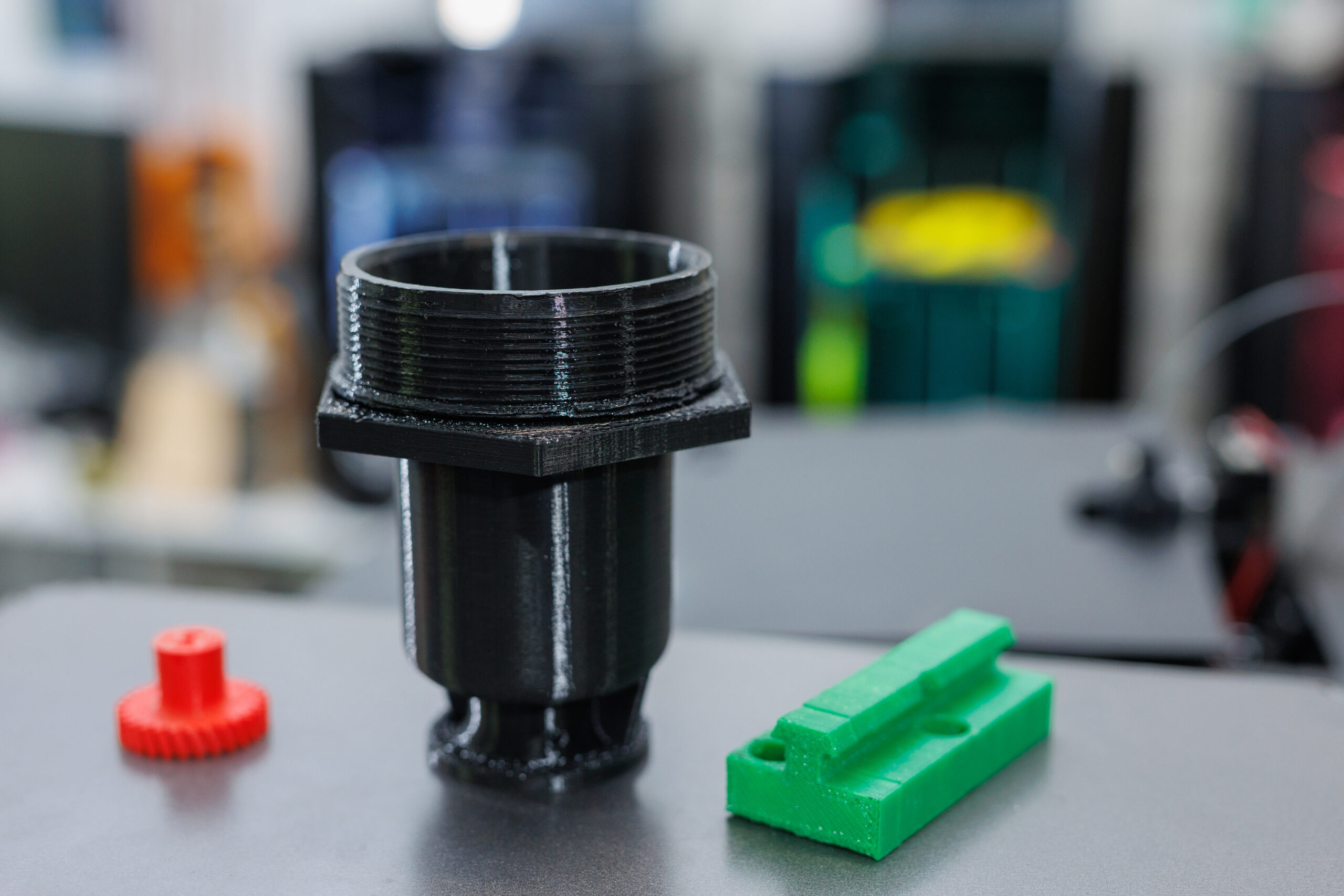
In the world of manufacturing, product quality often depends on decisions made long before the first component is produced. In plastic injection molding, the journey toward a high-quality plastic part begins with one critical asset: the mold.
Whether producing automotive housings, consumer products, medical components, electrical enclosures, or industrial assemblies, manufacturers know that even the most advanced molding machine cannot compensate for a poorly designed tool. Precision molds create precision parts. Weak molds create defects, delays, and unnecessary costs.
For businesses seeking custom injection molding, working with experienced plastic injection molding manufacturers and a reliable plastic mold manufacturer can significantly improve consistency, productivity, and profitability.
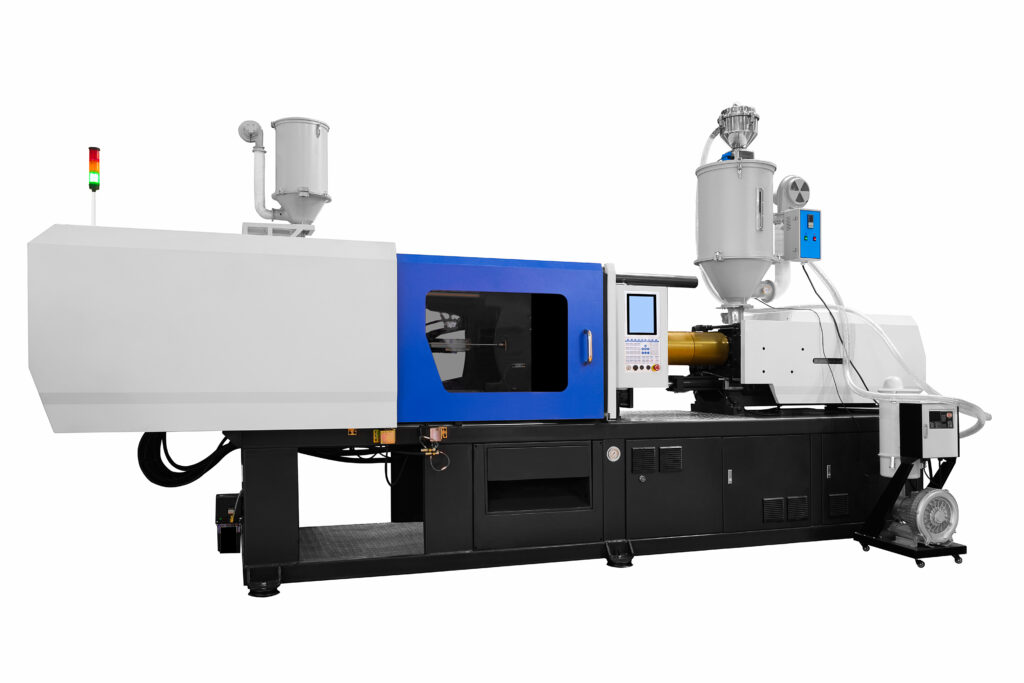
Why Mold Quality Matters in Plastic Injection Molding
A mold is more than a metal cavity. It is a precision-engineered production system that controls:
- Shape and dimensions
- Surface finish
- Cooling efficiency
- Material flow behavior
- Production speed
- Repeatability over thousands or millions of cycles
Industry studies often show that tooling decisions can influence up to 70% of final part quality outcomes, especially for tolerance-sensitive components.
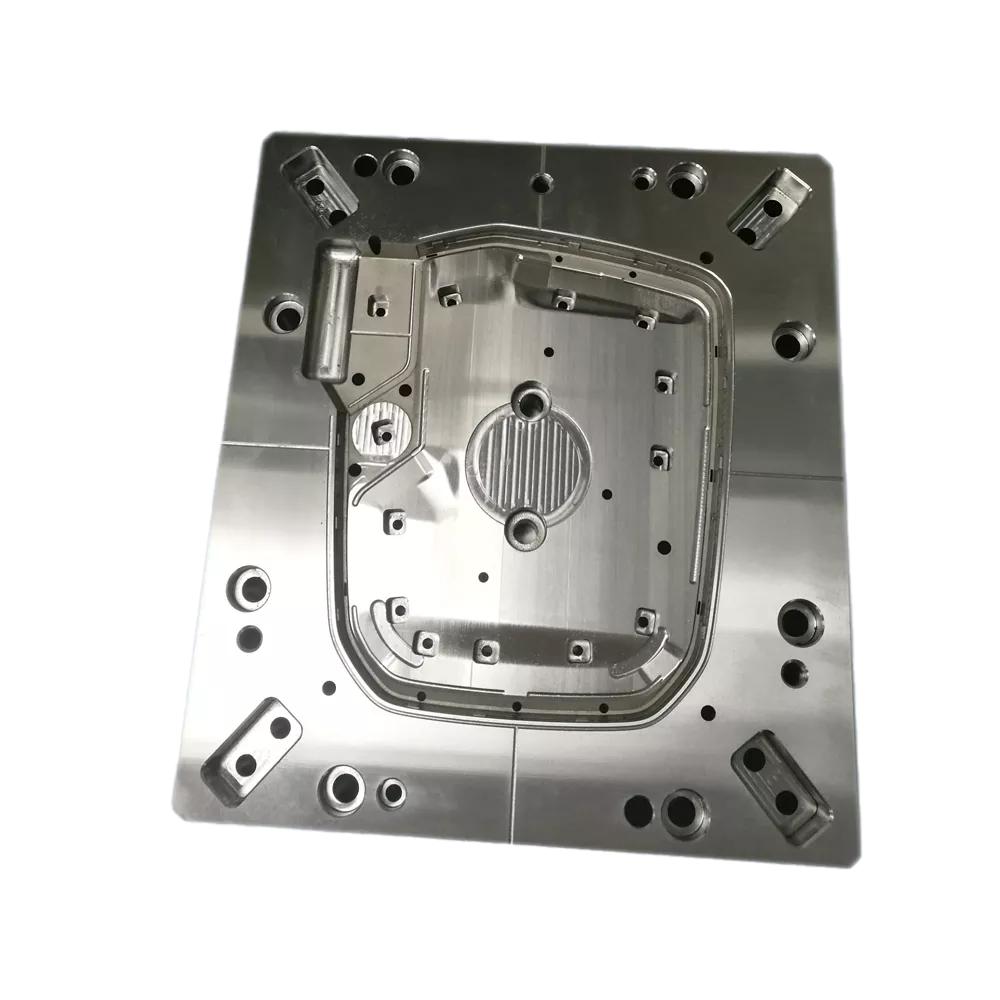
Common Problems Caused by Poor Mold Design
| Issue | Typical Cause | Business Impact |
| Warpage | Uneven cooling | Rejected parts |
| Sink marks | Poor wall thickness / gate location | Poor aesthetics |
| Flash | Worn mold or bad shutoff surfaces | Rework cost |
| Short shots | Inadequate venting / flow imbalance | Scrap |
| Dimensional variation | Poor cavity precision | Assembly failure |
| Cracks during ejection | Weak ejection design | Product failure |
Key Mold Making Considerations for High-Quality Parts
1. Correct Mold Material Selection
The mold steel or alloy chosen determines durability, wear resistance, polish ability, and long-term performance.
Common Tooling Materials
| Material | Typical Use | Expected Life |
| P20 Steel | Medium volume molds | 300,000+ cycles |
| H13 Steel | High temperature applications | 500,000+ cycles |
| S136 Stainless | Corrosion resistance / medical | 1M+ cycles |
| Aluminum | Prototype / low volume | 10,000–100,000 cycles |
For abrasive materials such as glass-filled nylon, hardened steel molds are usually preferred.
Choosing the right material is especially important when sourcing from injection molding companies handling high-volume production.
2. Proper Cooling Channel Design
Cooling is one of the most underestimated factors in injection molding economics.
In many molding operations, cooling can represent 50% to 70% of total cycle time. Poor cooling layouts increase production costs and reduce part consistency.
Benefits of Optimized Cooling
- Faster cycle times
- Lower energy consumption
- Reduced warpage
- Better dimensional stability
- Uniform shrinkage
Example Impact
| Cooling Design | Cycle Time |
| Conventional layout | 32 sec |
| Optimized layout | 24 sec |
That 8-second improvement on 100,000 parts annually can save hundreds of machine hours.
3. Accurate Cavity Machining for Tight Tolerances
The cavity defines the final part geometry. High-precision machining processes such as CNC milling, EDM, grinding, and polishing are essential.
Modern molds often require tolerances within:
- ±0.05 mm for general industrial parts
- ±0.02 mm for technical assemblies
- ±0.01 mm or better for medical/electronic precision parts
A skilled plastic mold manufacturer uses advanced inspection systems such as CMMs and optical metrology to verify accuracy.
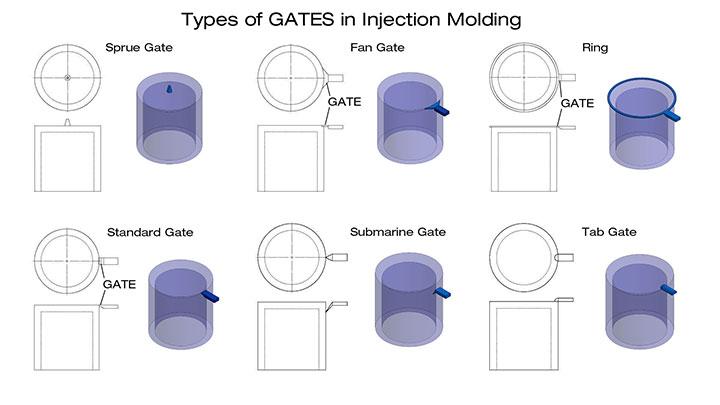
4. Balanced Runner and Gate Design
The runner system delivers molten plastic into the cavities. Poor runner balance causes inconsistent filling and part variation.
Gate Types Commonly Used
- Edge gate
- Pin gate
- Fan gate
- Submarine gate
- Hot tip gate
Why Gate Design Matters
Proper gate location improves:
- Fill consistency
- Surface appearance
- Reduced weld lines
- Lower internal stress
- Easier trimming
For multi-cavity molds, balanced flow can improve cavity-to-cavity consistency by significant margins.
5. Effective Venting
When molten plastic enters the cavity, trapped air must escape. Without proper venting, manufacturers may see:
- Burn marks
- Short shots
- Weak knit lines
- Surface blemishes
Vent depths are often tiny sometimes just 0.02 mm to 0.05 mm, depending on resin type. Yet these tiny details have a major impact on part quality.
6. Reliable Ejection System Design
After cooling, the part must eject cleanly without damage.
Common Ejection Methods
- Ejector pins
- Sleeve ejectors
- Stripper plates
- Air ejection
- Robotic pick systems
Poor ejection design can cause:
- Pin marks
- Stress whitening
- Cracks
- Distortion
- Cycle delays
A proper ejection system protects both the part and mold life.
Mold Quality vs Production Performance
| Mold Quality Level | Scrap Rate | Downtime | Part Consistency |
| Low | 8–12% | High | Variable |
| Medium | 3–6% | Moderate | Acceptable |
| High Precision | <2% | Low | Excellent |
Key Insight:
Even a 5% reduction in scrap can generate significant annual savings in raw material costs, labor hours, and machine utilization making high-precision molds a smart long-term investment.
Cost of Poor Tooling Decisions
Some buyers choose low-cost molds to reduce upfront investment. However, cheaper molds often cost more over time through:
- Frequent repairs
- Longer cycle times
- High rejection rates
- Inconsistent quality
- Delayed deliveries
Example Cost Comparison
| Factor | Low-Cost Mold | Precision Mold |
| Initial Tool Cost | Lower | Higher |
| Annual Maintenance | High | Low |
| Scrap Losses | High | Low |
| Cycle Time | Slower | Faster |
| ROI Over 3 Years | Lower | Higher |
For serious production programs, quality tooling often becomes the better financial decision.
Importance of Partnering with the Right Manufacturer
Selecting the right supplier for custom injection molding is not only about machine capacity it is about engineering capability.
Look for partners who provide:
- Mold flow analysis
- DFM (Design for Manufacturability) support
- Tool maintenance programs
- Material expertise
- Quality inspection systems
- Prototype to mass production scalability
Experienced plastic injection molding manufacturers help reduce development risks while improving speed to market.
Industries That Depend on High-Quality Injection Molds
Automotive : Interior trims, connectors, under-hood parts
Medical: Diagnostic housings, precision devices, sterile packaging
Electrical: Switchgear components, cable accessories, enclosures
Consumer Goods: Appliance housings, packaging, lifestyle products
Industrial Equipment: Pump parts, valve components, automation covers
Future Trends in Mold Making
Advanced tooling is evolving rapidly through:
- Conformal cooling channels via additive manufacturing
- Smart molds with sensors
- Predictive maintenance systems
- High-speed CNC machining
- AI-based process optimization
These technologies are helping injection molding companies improve productivity and quality simultaneously.
Quick Thoughts
The quality of a plastic part always begins with the quality of the mold. Strong mold design ensures dimensional accuracy, faster production cycles, lower rejection rates, and long-term repeatability.
From steel selection to cooling channels, venting, cavity precision, runner balance, and ejection systems, every detail matters.
Businesses looking for dependable custom injection molding solutions should prioritize suppliers with strong tooling expertise, engineering knowledge, and process discipline.
In modern manufacturing, a precision mold is not an expense it is a long-term competitive advantage.