Skip to content

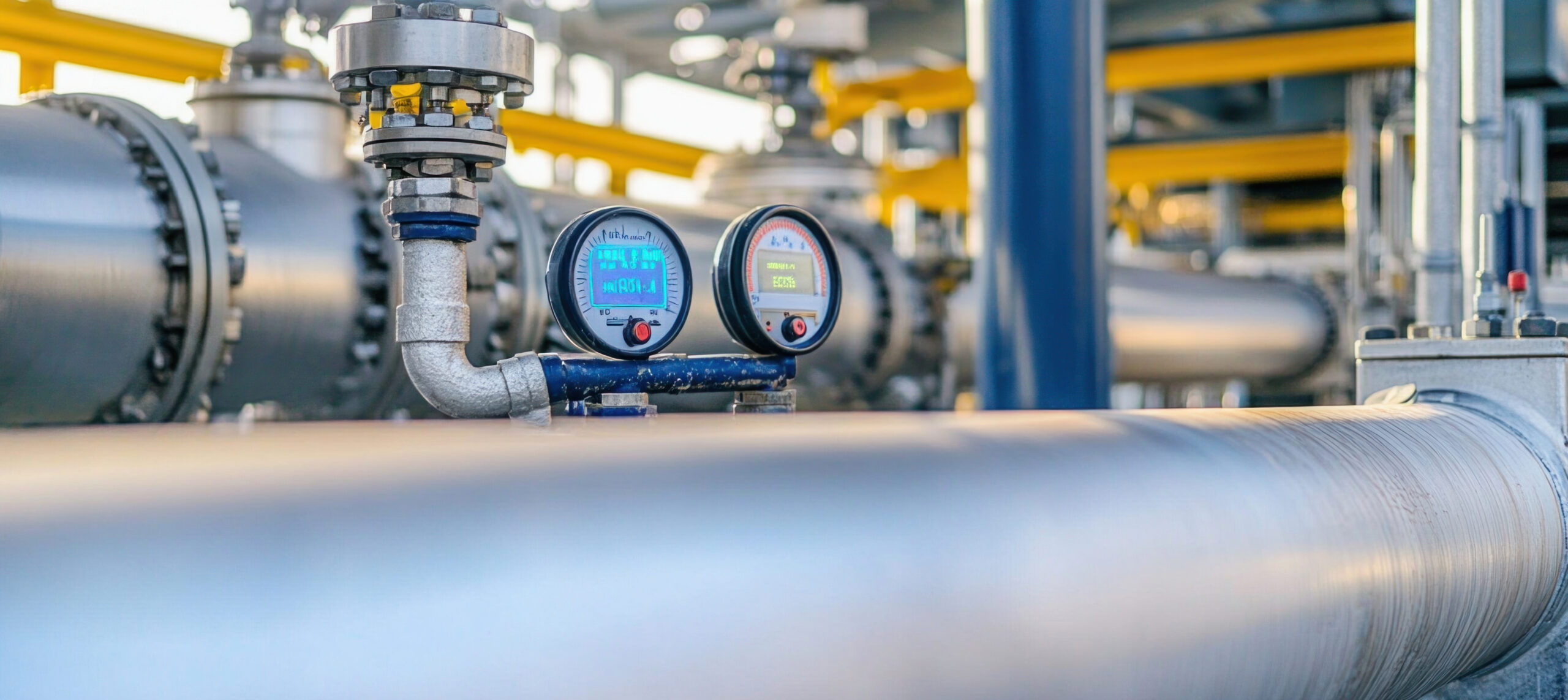
In industries such as oil & gas, petrochemicals, and process manufacturing, temperature measurement accuracy is critical for operational safety, efficiency, and regulatory compliance. Behind every reliable sensor lies a robust ecosystem of high-precision testing, validation, and manufacturing equipment.
Modern engineering organizations are increasingly investing in advanced test systems that can simulate extreme conditions, validate sensor behavior, and ensure long-term reliability. This article explores how high-tech test equipment plays a vital role in developing and scaling temperature sensing solutions for demanding industrial applications.
The Role of Test Equipment in Temperature Sensor Development
Temperature sensors designed for harsh environments must undergo extensive testing and validation before deployment. This requires specialized equipment capable of replicating real-world conditions such as:
- Extreme temperatures
- Chemical exposure
- Mechanical vibration
- Pressure variations
High-end test equipment ensures that sensors perform consistently under these conditions, enabling manufacturers to meet stringent industry standards.
Key Technical Requirements for Testing Systems
To validate high-performance temperature sensors, test systems must support a wide range of parameters. These include:
| Parameter | Typical Requirement | Testing Objective |
| Temperature Range | –200°C to +500°C | Validate performance across extreme conditions |
| Accuracy Validation | ±0.06Ω at reference points | Ensure measurement precision |
| Thermal Cycling | Rapid heating & cooling cycles | Test durability and response stability |
| Mechanical Stress Testing | Vibration and shock simulation | Evaluate structural integrity |
| Chemical Resistance Testing | Exposure to oil-based environments | Assess long-term material compatibility |
Engineering Challenges in Test Equipment Design
Designing test equipment for such applications involves overcoming multiple engineering challenges:
1. Simulating Extreme Conditions
Test systems must replicate harsh environments without compromising measurement accuracy.
This requires:
- High-stability thermal chambers
- Precision-controlled heating elements
- Advanced insulation materials
2. Maintaining Measurement Accuracy
Even minor deviations in resistance or temperature can lead to incorrect readings.
Test equipment must therefore include:
- High-resolution data acquisition systems
- Precision calibration mechanisms
- Noise reduction and shielding techniques
3. Ensuring Repeatability
Reliable testing depends on consistent results across multiple cycles. This demands:
- Automated testing protocols
- Closed-loop control systems
- Real-time monitoring and feedback
Advanced Testing Methodologies
Modern test equipment integrates both static and dynamic testing approaches to ensure comprehensive validation.
Static Testing
Static testing focuses on verifying sensor accuracy at fixed reference points.
| Test Type | Purpose | Outcome |
| Resistance Check | Validate baseline resistance values | Confirms calibration accuracy |
| Reference Testing | Compare against standard benchmarks | Ensures compliance with standards |
Dynamic Testing
Dynamic testing evaluates sensor behavior under changing conditions.
| Test Type | Purpose | Outcome |
| Thermal Cycling | Simulate temperature fluctuations | Measures response time & stability |
| Vibration Testing | Mimic industrial mechanical stress | Validates structural robustness |
| Environmental Exposure | Test in oil/chemical environments | Ensures durability in field conditions |
Read Article Here –> Engineering Resilience: Why High-Performance Test Equipment Is the Backbone of Data Integrity in Heavy Industries
Manufacturing Integration with Test Systems
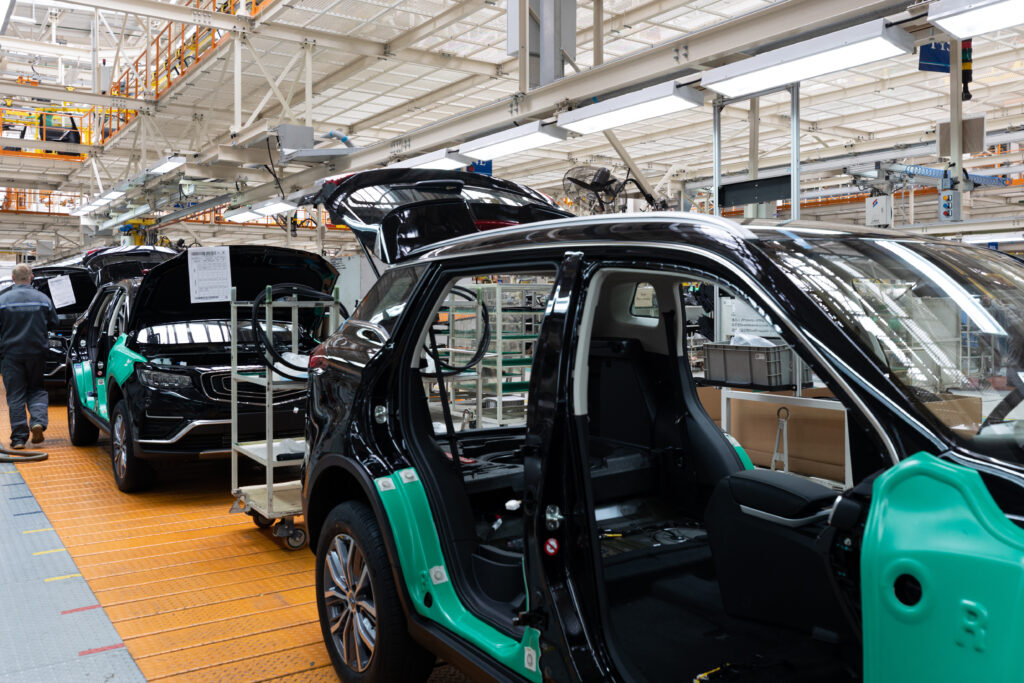
One of the most critical aspects of modern engineering is the integration of testing within the manufacturing process. High-tech test equipment is no longer a standalone function but is embedded across production stages.
Benefits of Integrated Testing:
- Early defect detection
- Improved production yield
- Reduced rework and scrap rates
- Enhanced product consistency
Scalable Production with Quality Assurance
When production volumes increase, maintaining quality becomes more challenging. Advanced test systems enable scalability without compromising performance.
| Production Factor | Challenge | Test Equipment Solution |
| High Volume Output | Maintaining consistency | Automated testing systems |
| Quality Control | Detecting micro-level deviations | Precision measurement tools |
| Cost Efficiency | Balancing cost with performance | Optimized test cycles |
| Supply Chain Reliability | Ensuring uniform standards | Standardized validation protocols |
Compliance and Standards
Industrial temperature sensing solutions must comply with international standards for interoperability and reliability. Test equipment plays a key role in ensuring compliance with:
- Resistance-temperature characteristics
- Accuracy tolerances
- Material and durability specifications
By embedding compliance checks into test systems, manufacturers can ensure that every unit meets global benchmarks.
Material and Design Validation Through Testing
High-performance sensors often rely on specialized materials such as:
- Platinum-based sensing elements
- High-temperature resistant wiring
- Chemically inert encapsulation materials
Test equipment validates these materials by subjecting them to:
- Long-duration thermal exposure
- Chemical immersion tests
- Mechanical endurance cycles
Digitalization and Smart Testing Systems
The evolution of Industry 4.0 has transformed traditional testing into smart, data-driven systems.
Key Features of Modern Test Equipment:
- Real-time data analytics
- Automated reporting and traceability
- IoT-enabled monitoring
- Predictive maintenance capabilities
These features not only improve testing accuracy but also provide valuable insights for continuous product improvement.
Outcome: Reliable and Scalable Engineering Solutions
By leveraging advanced test equipment, engineering teams can achieve:
- High accuracy and repeatability
- Robust performance in extreme environments
- Compliance with international standards
- Scalable manufacturing capabilities
This approach ensures that temperature sensing solutions are not only reliable but also ready for large-scale industrial deployment.
A quick thought –
High-tech test equipment is the backbone of modern temperature sensor development and manufacturing. From simulating extreme environments to ensuring compliance and scalability, these systems enable engineers to deliver precision-driven, durable, and cost-effective solutions. As industrial applications become more demanding, the importance of advanced testing infrastructure will continue to grow. Organizations that invest in cutting-edge test equipment and integrated validation processes will be better positioned to meet the evolving needs of global industries.