Skip to content

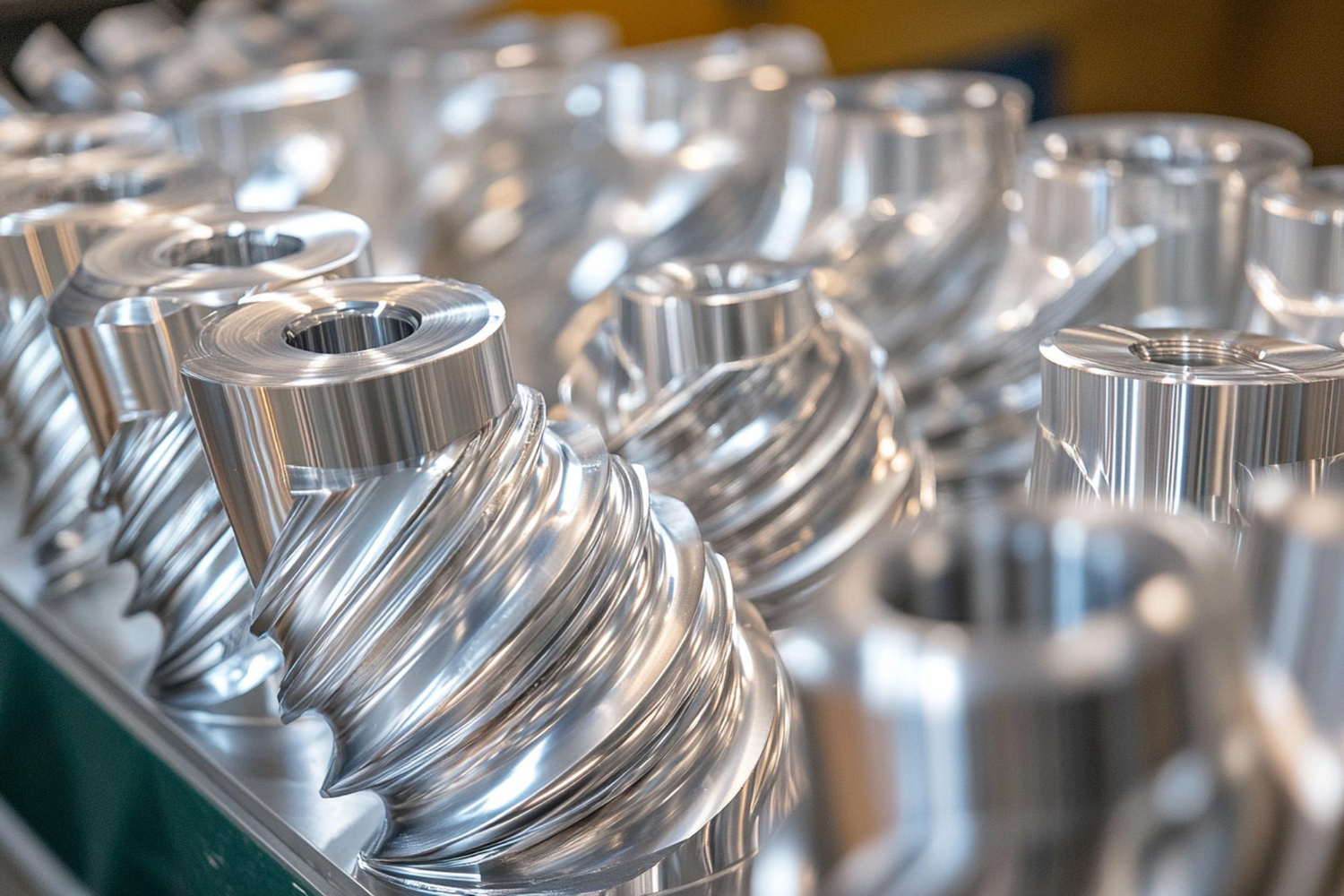
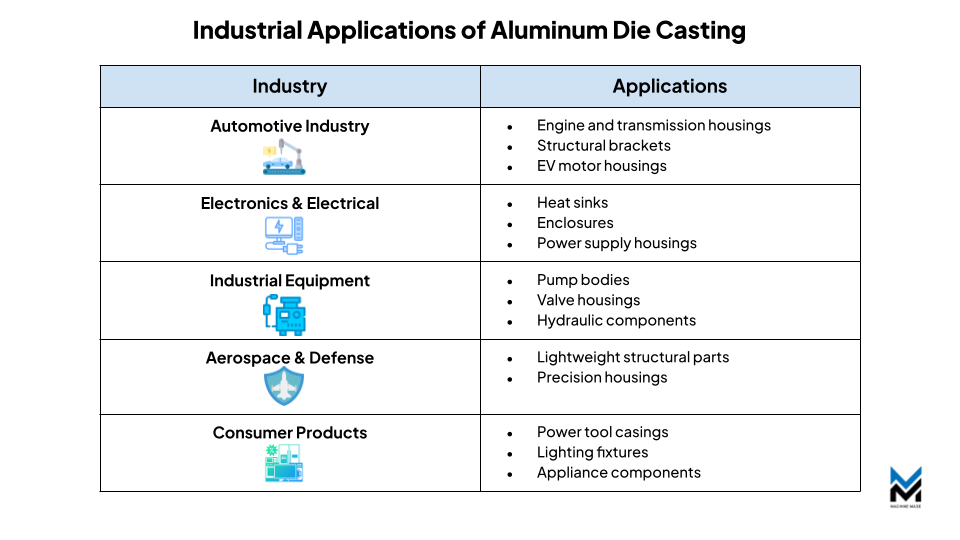
High-pressure aluminum die casting has become one of the most widely used manufacturing processes for producing complex industrial parts with high precision and consistency. Industries such as automotive, electronics, aerospace, and industrial machinery increasingly rely on aluminum die casting manufacturers to deliver lightweight yet strong components at scale.
Among various casting methods including sand casting and investment casting high-pressuredie casting (HPDC) stands out for its ability to combine design complexity, superior surface finish,and high-volume production efficiency. Let’s have an in-depth overview of the HPDC process, its advantages, industrial applications, and how it compares with other casting technologies.
What Is High-Pressure Aluminum Die Casting?
High-pressure aluminum die casting is a metal casting process where molten aluminum alloy is injected into a hardened steel die under high pressure. The pressure ensures that the molten metal fills even the most intricate sections of the mold, resulting in parts with excellent dimensional accuracy and repeatability.
Typical injection pressures range from 1,500 to 25,000 psi, enabling fast cycle times and minimal porosity when properly controlled.
High-Pressure Die Casting Process Explained
| Stage | Description |
| Die Preparation | Cleaning, lubrication, and preheating of steel dies |
| Aluminum Melting | Aluminum alloy melted in temperature-controlled furnaces |
| Injection | Molten aluminum injected at high pressure into the die cavity |
| Solidification | Rapid cooling and solidification inside the mold |
| Ejection | Die opens and casting is ejected |
| Finishing | Trimming, deburring, machining, or surface treatment |
This streamlined process allows die casting companies to manufacture thousands of identical components with consistent quality.
Why Aluminum Is Ideal for Die Casting
Aluminum is the most commonly used metal in high-pressure die casting due to its:
- High strength-to-weight ratio
- Excellent corrosion resistance
- Superior thermal conductivity
- Ease of machining and finishing
- 100% recyclability
Popular aluminum die casting alloys include A380, ADC12, A360, and AlSi10Mg, each chosen based on mechanical properties and application requirements.

Advantages of High-Pressure Aluminum Die Casting
Precision & Complexity
High-pressure die casting supports thin walls, complex geometries, internal channels, and tight tolerances, reducing the need for secondary operations.
High Production Efficiency
Short cycle times make HPDC ideal for high-volume manufacturing, significantly lowering per-unit costs.
Superior Surface Finish
Castings often require minimal finishing and are compatible with anodizing, powder coating, painting, and plating.
Cost-Effective at Scale
Although tooling costs are higher initially, aluminum die casting becomes highly economical for large production runs.
High-Pressure Die Casting vs Investment Casting
| Parameter | High-Pressure Die Casting | Investment Casting |
| Production Volume | High | Low to Medium |
| Tooling Cost | High (one-time) | Lower |
| Unit Cost (Large Volume) | Low | Higher |
| Surface Finish | Excellent | Very Good |
| Wall Thickness | Thin | Moderate |
| Common Materials | Aluminum, Zinc | Steel, Superalloys |
Investment casting is often chosen for low-volume, high-detail metal parts, while high-pressure aluminum die casting dominates in large-scale industrial manufacturing.
As volume increases, high-pressure die casting becomes significantly more cost-effective compared to investment casting.
Check Here –> The Role Of Investment Casting in Aerospace & Automotive Industry
Quality Control in Modern Die Casting Companies
Leading aluminum die casting manufacturers ensure quality through:
- Vacuum die casting to reduce porosity
- Automated process monitoring
- X-ray and pressure leak testing
- Metallurgical analysis
- ISO and IATF certifications
Sustainability & Environmental Benefits
- Aluminum is endlessly recyclable
- Reduced material waste
- Energy-efficient mass production
- Lightweight parts reduce fuel and energy consumption in end-use industries
How to Choose the Right Aluminum Die Casting Manufacturer
Key factors to consider:
- Experience with complex aluminum components
- In-house tooling and design expertise
- Advanced quality testing facilities
- Scalable production capacity
- Strong track record across industries
A Quick Thought –
High-pressure aluminum die casting is a cornerstone manufacturing process for producing complex, high-performance industrial components at scale. Its combination of precision, efficiency, durability, and cost-effectiveness makes it indispensable across automotive, industrial, electronics, and aerospace sectors.
Compared to methods like investment casting, high-pressure die casting stands out for high-volume production and design complexity, reinforcing its position as the go-to solution for modern industrial manufacturing.