 Skip to content


In today’s competitive engineering manufacturing landscape, delivering high-quality, reliable, and defect-free products is no longer optional; it is a necessity. Engineering assemblies often involve complex interactions between multiple components, vendors, processes, and sub-assemblies. Any failure at a single stage can compromise the performance, safety, and reliability of the final product. This is where Quality Assurance (QA) plays a critical role.
Quality assurance in engineering assembly ensures that every part, process, and system meets defined quality standards before the product reaches real-world application. By implementing structured quality assurance plans, effective quality control practices, and rigorous inspection methods, manufacturers can significantly reduce defects and improve overall product quality.
Let’s have a look on Quality Assurance in Engineering Assembly
Quality assurance is a systematic approach focused on preventing defects rather than detecting them after they occur. In engineering assembly, QA encompasses planning, process control, audits, documentation, and continuous improvement to ensure that assemblies perform as expected throughout their lifecycle.
Unlike quality control, which focuses on inspection and testing, quality assurance is proactive. It establishes frameworks that guide assembly engineering teams toward consistent quality outcomes.
Key objectives of Quality Assurance in engineering assembly include:
- Ensuring compliance with engineering specifications
- Reducing assembly defects and rework
- Improving reliability and functional performance
- Enhancing customer satisfaction
- Minimizing operational and warranty costs
Importance of Quality Assurance in Assembly Engineering
Engineering assemblies often involve multiple sub-assemblies sourced from different vendors. Variations in materials, manufacturing methods, and tolerances can introduce risks if not managed effectively. Quality assurance provides the structure needed to maintain consistency across these variables.
Without a strong QA system:
- Defects may go unnoticed until final testing or field operation
- Assembly errors can cause premature product failure
- Supply chain inconsistencies may impact product performance
- Compliance and safety risks may arise
By embedding quality assurance into assembly engineering, manufacturers ensure that quality is built into the process rather than inspected at the end.
Quality Assurance Plan: The Foundation of Assembly Quality
A Quality Assurance Plan (QAP) is a documented framework that defines how quality will be achieved and maintained throughout the assembly process. It serves as a roadmap for engineers, quality teams, and production staff.
A robust Quality Assurance Plan for engineering assembly typically includes:
- Quality objectives and acceptance criteria
- Roles and responsibilities of QA and assembly teams
- Inspection and testing requirements
- Process controls and checkpoints
- Supplier quality requirements
- Non-conformance handling and corrective actions
- Documentation and traceability procedures
By following a well-defined quality assurance plan, organizations ensure alignment across departments and maintain consistency in assembly quality.
Role of Quality Control & Quality Assurance in Assemblies
While often used together, quality control and quality assurance serve distinct but complementary roles in engineering assembly.
Quality Assurance
- Focuses on process design and prevention
- Ensures standardized assembly procedures
- Establishes audit systems and compliance checks
- Drives continuous improvement initiatives
Quality Control
- Focuses on inspection and testing
- Identifies defects in components and assemblies
- Verifies dimensional accuracy and functionality
- Ensures sub-assemblies meet specifications before integration
When quality control and quality assurance work together, defects are minimized, and product quality is consistently improved.
Managing Quality in Sub-Assemblies
Sub-assemblies form the building blocks of any engineering assembly. Ensuring quality at the sub-assembly level is essential to prevent defect propagation into the final product.
Key quality assurance practices for sub-assemblies include:
- Incoming material inspection
- Verification of supplier certifications
- In-process inspections during sub-assembly
- Functional testing before final integration
- Clear documentation and traceability
By validating sub-assemblies early, manufacturers reduce assembly rework, improve efficiency, and enhance overall product reliability.
Supplier and Vendor Quality Assurance
A strong quality vendor network is vital for successful engineering assembly. Many defects originate from inconsistent supplier quality, making vendor quality assurance a top priority.
Effective supplier QA strategies include:
- Supplier audits and qualification processes
- Defined quality agreements and specifications
- First Article Inspection (FAI)
- Regular performance evaluations
- Corrective and preventive action (CAPA) processes
When suppliers align with the organization’s quality standards, assembly engineering teams can focus on integration and performance rather than defect correction.
Inspection and Testing in Engineering Assembly
Inspection and testing are essential quality control activities that support quality assurance objectives. These activities verify that assemblies meet design, safety, and performance requirements.
Common inspection and testing methods include:
- Dimensional and tolerance checks
- Visual inspections for workmanship defects
- Functional and performance testing
- Load, stress, or endurance testing
- Final assembly audits
Integrating inspection checkpoints throughout the assembly process prevents defect accumulation and ensures issues are detected early.
Reducing Defects Through Process Control
Key defect reduction strategies include:
- Standard operating procedures (SOPs)
- Process capability analysis
- Statistical process control (SPC)
- Root cause analysis for failures
- Structured continuous improvement approaches, including Kaizen and Six Sigma
Improving Product Quality and Reliability
High-quality engineering assemblies perform consistently under real-world conditions. Quality assurance ensures that products not only meet design requirements but also deliver long-term reliability.
Benefits of effective QA in assembly engineering include:
- Improved functional performance
- Enhanced product durability
- Reduced warranty claims and recalls
- Higher customer confidence and brand reputation
- Compliance with industry and regulatory standards
Quality assurance transforms assembly processes from reactive problem-solving to proactive quality building.
Documentation and Traceability in Quality Assurance
Accurate documentation is a cornerstone of quality assurance in engineering assembly. It provides traceability, accountability, and compliance support.
Key documentation elements include:
- Assembly drawings and specifications
- Inspection and test reports
- Non-conformance reports
- Change management records
- Quality audits and reviews
Traceability allows organizations to quickly identify the source of defects and implement corrective actions efficiently.
Importance of Vendor Certifications in Engineering Manufacturing Quality
While working on the quality aspects of an engineering product, manufacturing industry certifications play a crucial role in ensuring consistent and reliable quality. Quality assurance in engineering assembly is not limited to internal processes—it also extends to vendor-level quality audits.
During vendor audits, verifying the supplier’s manufacturing certifications is extremely important. Certifications such as ISO or industry-specific quality standards indicate that the vendor follows structured quality management systems, controlled manufacturing processes, and compliance requirements.
Checking vendor certifications helps ensure:
- Consistent quality of supplied parts and sub-assemblies
- Reduced risk of defects in final assembly
- Better compliance with engineering and regulatory standards
- Improved overall product reliability
In engineering manufacturing, auditing certified vendors strengthens the entire supply chain and supports defect-free, high-quality assemblies.
A final thought
Quality assurance in engineering assembly is a critical factor in reducing defects and improving product quality. From quality assurance planning and supplier management to sub-assembly control and final inspection, QA ensures that every stage of the assembly process contributes to a reliable and high-performing product.
By integrating quality assurance with quality control, assembly engineering teams can prevent defects, enhance efficiency, and deliver products that meet real-world performance expectations. In an industry where precision, reliability, and trust matter most, quality assurance is not just a function; it is a strategic advantage.
Investing in strong quality assurance systems today ensures engineering excellence, customer satisfaction, and long-term success tomorrow.
Strengthen the reliability of your engineering assemblies through robust quality assurance practices that minimize defects and improve performance.
Enhance assembly outcomes with proactive quality assurance methods for higher reliability, reduced defects, and consistent product quality.
View More Blog Posts

Manufacturing Electric Vehicles in Europe: Challenges & Possible Solutions
The European electric vehicle market stands in a critical position. With the EU’s ambitious target to phase out ICE vehicles by 2035, EV manufacturers face unexpected opportunities and significant challenges. Let’s examine the current state of EV manufacturing in Europe and explore practical solutions for manufacturers and suppliers.
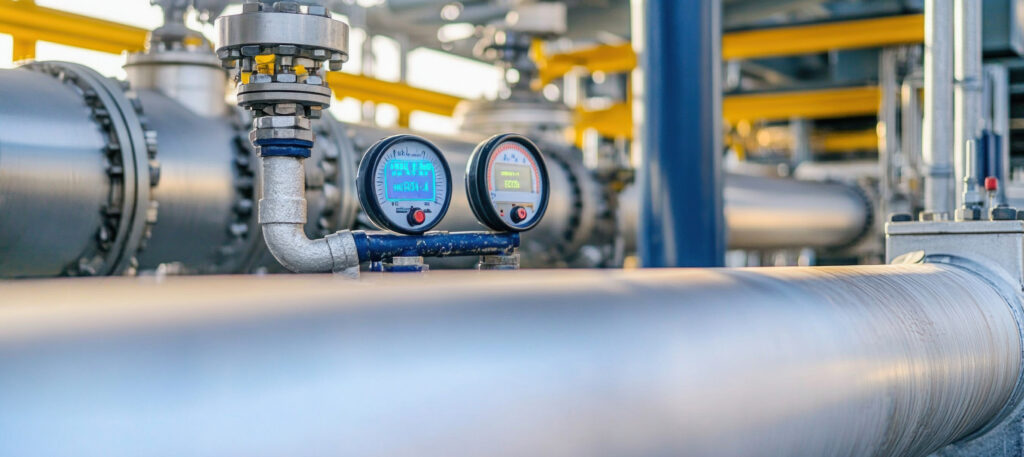
Engineering High-Precision Temperature Test Equipment for Harsh Industrial Environments
In industries such as oil & gas, petrochemicals, and process manufacturing, temperature measurement accuracy is critical for operational safety, efficiency, and regulatory compliance. Behind every
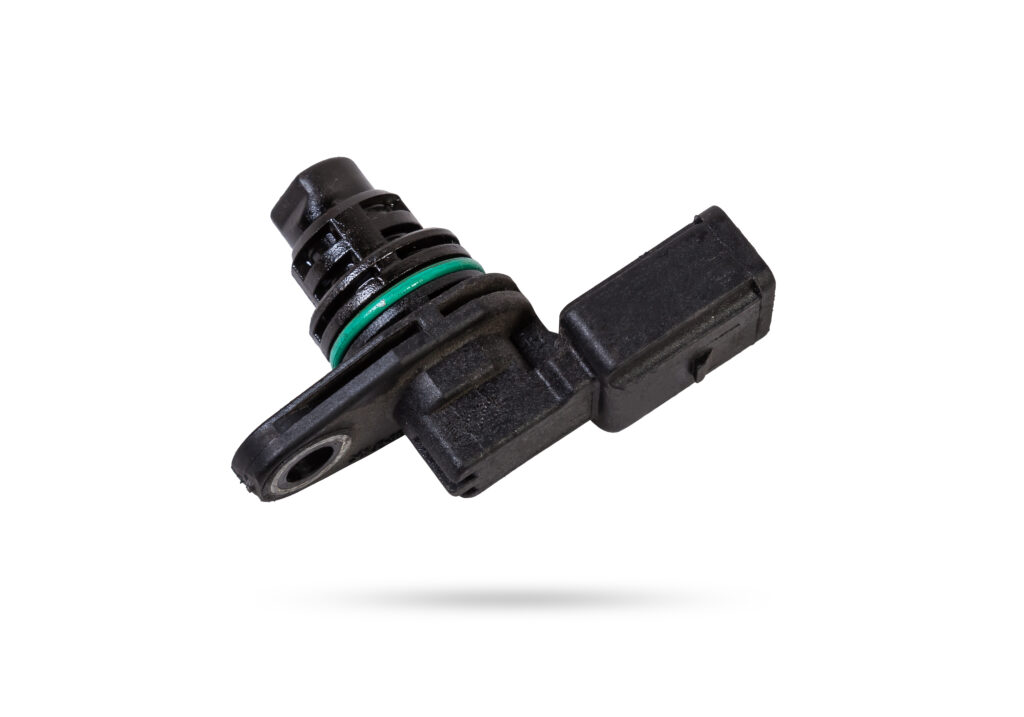
Plastic Injection Molding Shrinkage: Causes, Effects, and How the Right Raw Material Solves It
Plastic injection molding plays a critical role in modern industrial manufacturing and engineering manufacturing, enabling the production of highly precise plastic components used in industries

Leveraging the China Plus One Strategy with MachineMaze for Resilient Manufacturing
In rapidly evolving global economy, supply chain resilience must be strategic. Geopolitical tensions, trade restrictions, logistics disruptions, rising labor costs, and pandemic aftershocks have forced
Ready to take the next step in your manufacturing journey?
Partner with Us
Join 50+ companies trusting Machine Maze for transparent manufacturing.
- No minimum order quantity constraints
- Transparent pricing with no hidden costs
- Rapid turnaround time, quotes within 24hrs
- Access to our vetted supplier network
- Secure data handling and buyer protection