

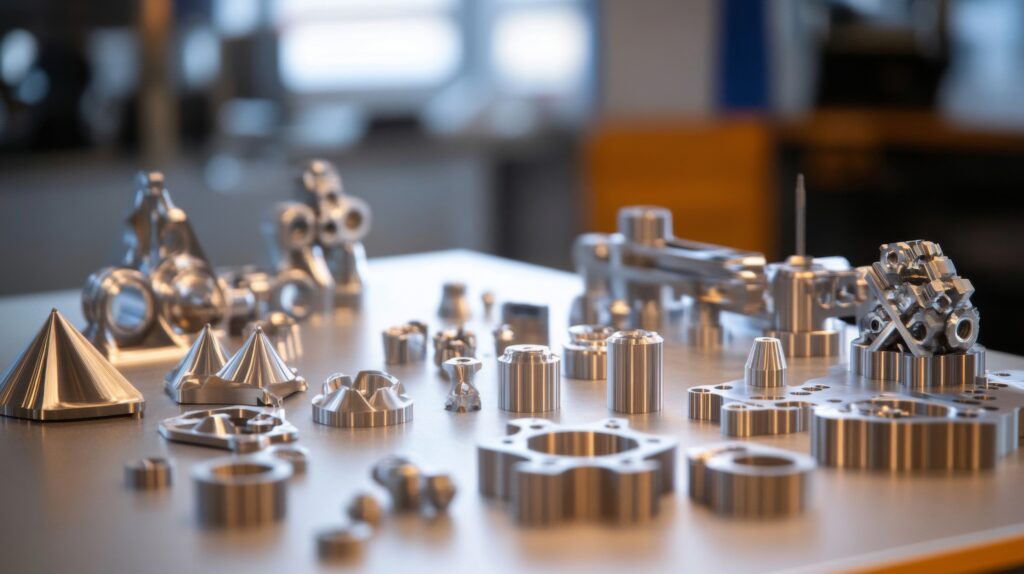
Why High-Mix Manufacturing Matters for Test Equipment and Specialized Industrial Products
The manufacturing problem nobody puts on the spec sheet A semiconductor tester, a hydraulic test bench, a calibration rig for EV battery packs: each is
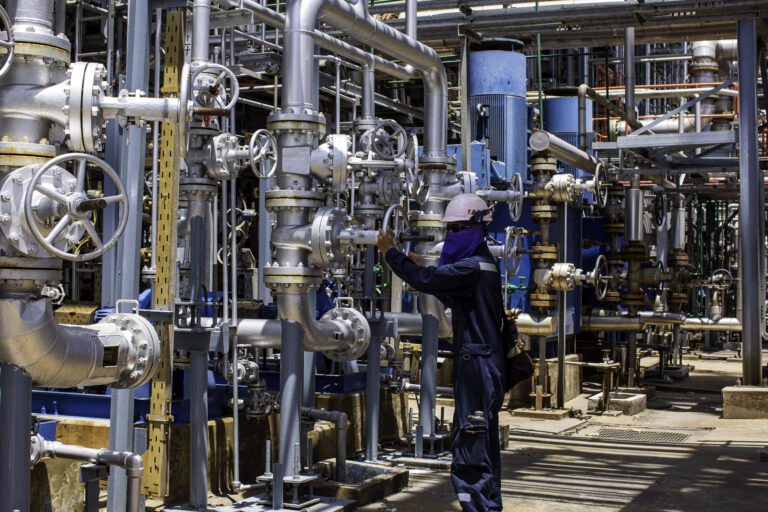
In oil and gas, performance isn’t just expected, it’s essential. Components are expected to withstand high pressures, extreme temperatures, corrosive environments, and mechanical stress over long periods of time. Whether it’s for upstream drilling equipment, midstream transportation systems, or downstream flow control units, every part must meet strict design, material, and safety requirements.
Achieving that level of reliability and precision starts with the right custom tooling. This blog explains the important role of custom tooling in oil and gas component manufacturing.
Custom tooling involves designing and producing specialized tools specifically tailored to manufacture a particular part or component. Unlike standard, off-the-shelf tools that are made for general-purpose use, custom tools are engineered to match exact tolerances, geometries, and material characteristics of critical parts.
In oil & gas industry, where the smallest deviation can lead to system failure, custom tooling is not optional, it’s essential.
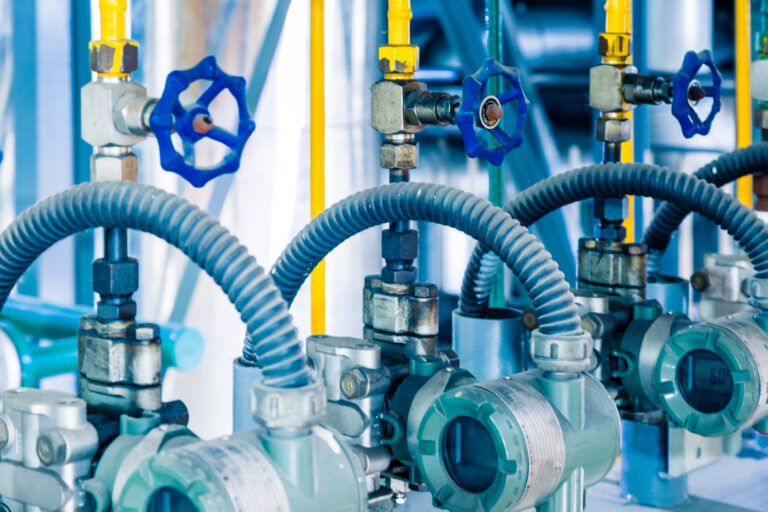
Despite the high-performance demands in this sector, many component manufacturers still rely on standard tooling. This often leads to:
When dealing with complex geometries or high-pressure components like downhole tools, valves, and castings, standard tooling simply falls short. This lack of precision directly impacts quality, delivery schedules, and overall project reliability.
Custom tooling addresses these pain points by enabling:
This results in components that not only meet but consistently exceed industry standards, while reducing total production risk.
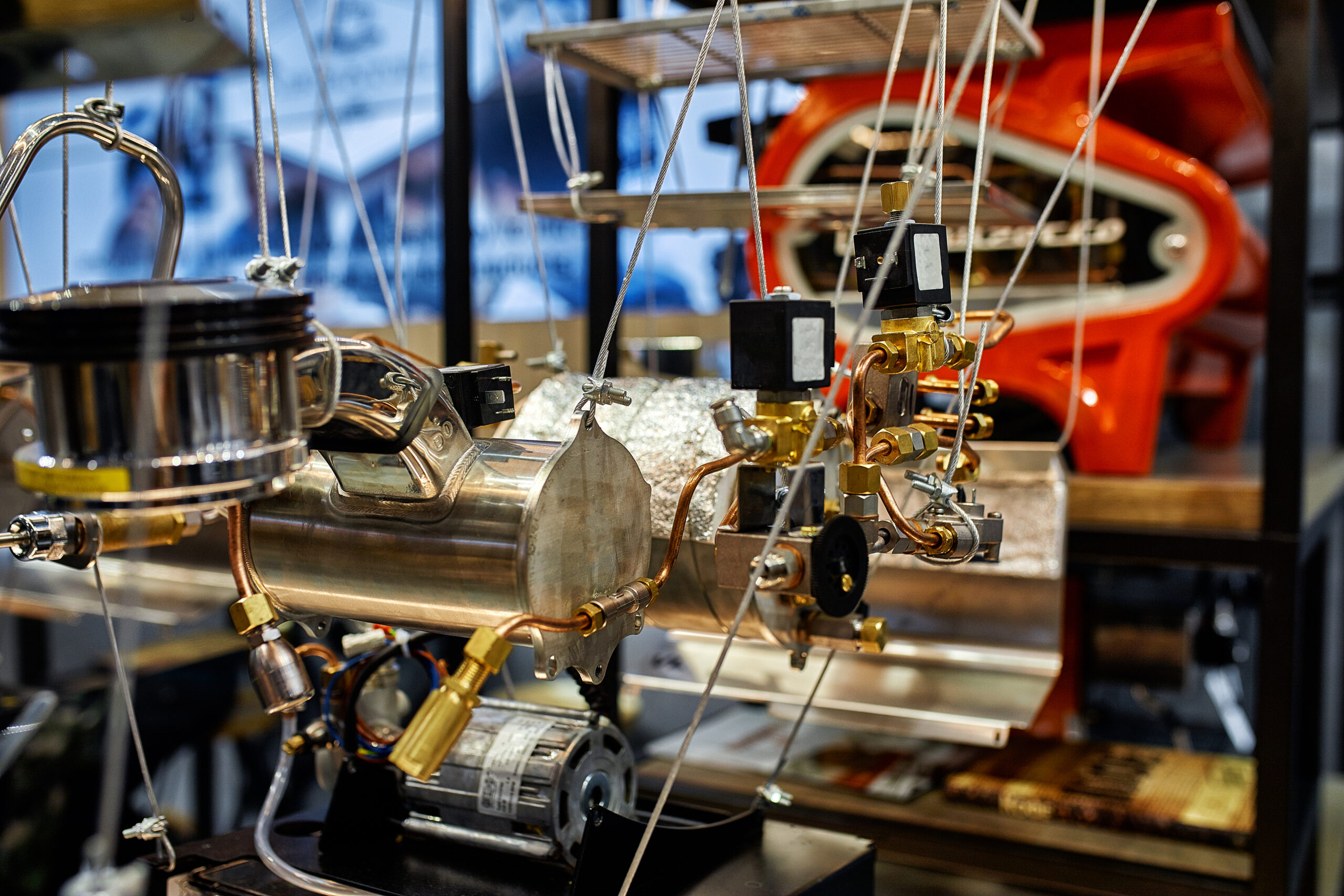
For oil and gas OEMs, Machine Maze delivers tooling based precision manufacturing with built-in customization, quality validation, and transparent digital tracking.
1. Engineering-First Collaboration
From RFQ to production, our team works closely with your engineers to review part designs, understand tooling needs, and suggest optimal tool paths and materials.
2. Verified Manufacturing Network
We connect you with 600+ vetted Indian suppliers specializing in die making, mold fabrication, and high-precision machining for oil & gas components.
3. Transparent Tooling Management
Through our digital dashboard, you can track tooling progress, access inspection data, and get live project updates. No guesswork. Just clarity.
4. Prototyping to Mass Production
Whether you’re testing one part or scaling to thousands, our network can handle tooling for any production volume, with consistent results.
5. Advanced Casting Capabilities
With casting options like Sand Casting, Green Sand, HPDC, and Investment Casting, we support both ferrous and non-ferrous tooling needs for complex parts.
6. High-Precision Machining
Using CNC, VMC, and CMM-backed processes, we manufacture components with tight tolerances and high repeatability, even in hard-to-machine materials.
7. Integrated EMS Solutions
We also offer wire harness and sensor assembly services, helping you integrate electrical elements into mechanical components, essential for advanced monitoring systems.
Custom tooling isn’t just about making a part, it’s about making it right every single time. For OEMs in the oil and gas industry, this refers to the reduced risk, faster deliveries, fewer failures, and greater long-term reliability.
But not every manufacturer is equipped to deliver custom tooling with the level of precision and transparency required in critical sectors like oil & gas.
That’s where Machine Maze stands out.
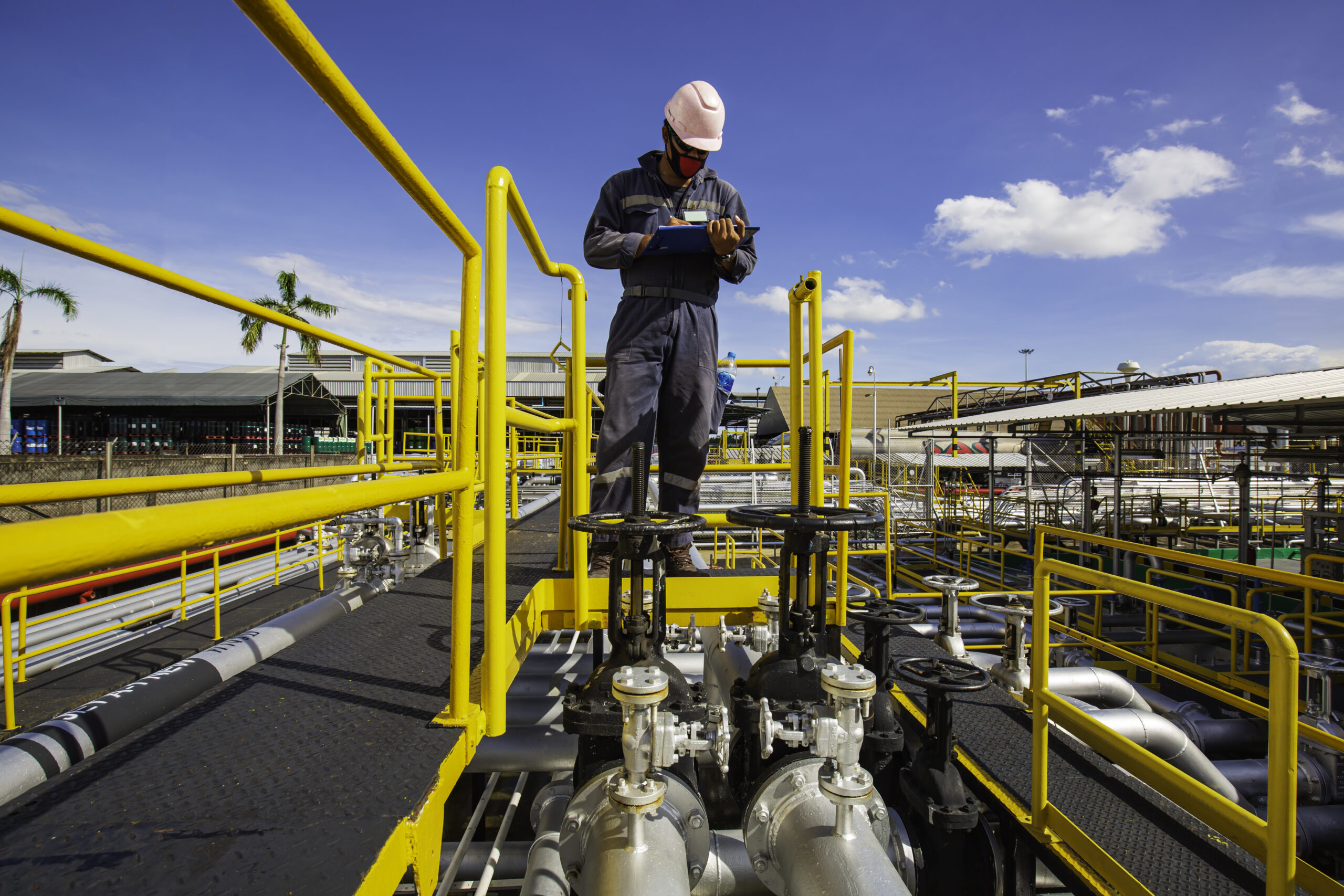
If your project demands components that perform under pressure, you need a tooling partner who understands the stakes.
Get connected to the Machine Maze team at info@machinemaze.com
Need a custom tooling solution? Get your quote now.
The manufacturing problem nobody puts on the spec sheet A semiconductor tester, a hydraulic test bench, a calibration rig for EV battery packs: each is
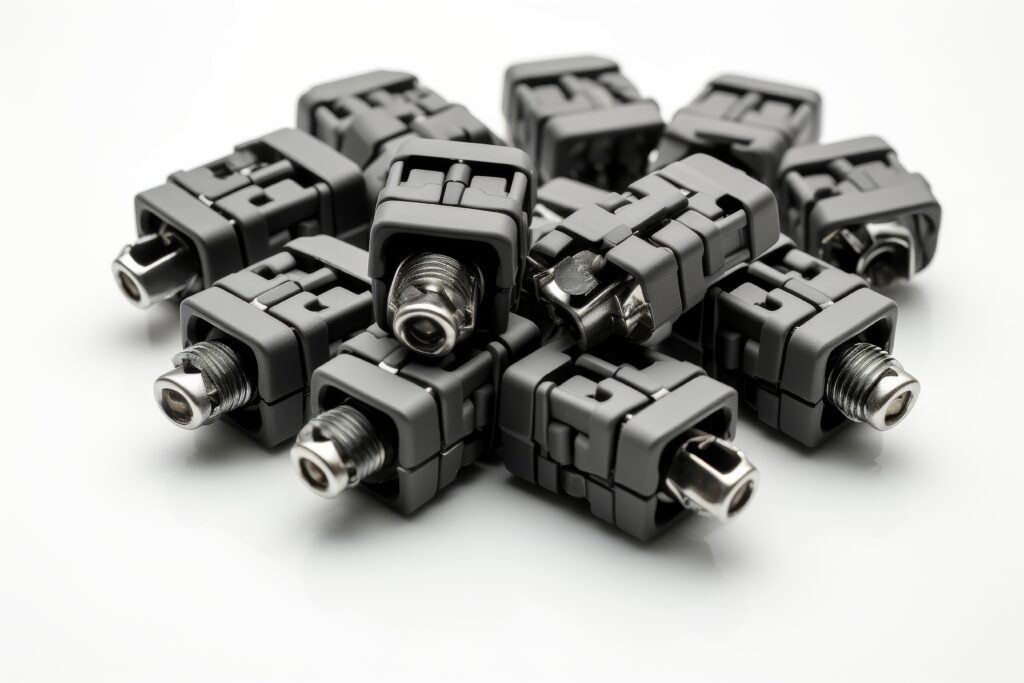
For original equipment manufacturers, plastic injection molding remains one of the most reliable and cost-effective ways to produce complex, high-precision components at scale. From automotive

For decades, the playbook for original equipment manufacturers was remarkably stable: identify a handful of trusted suppliers, usually concentrated in a small number of low-cost