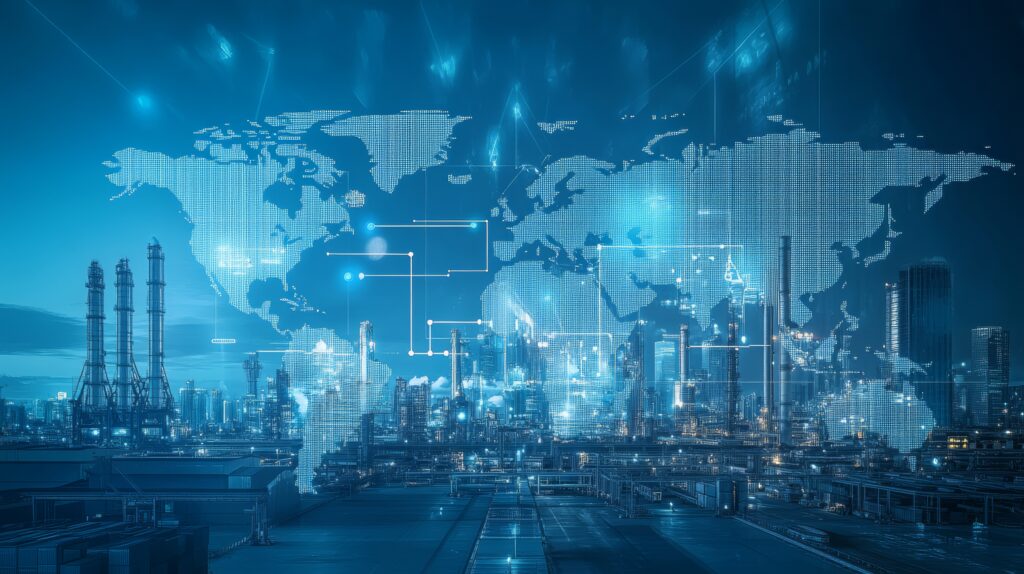
Why Global OEMs Are Looking Beyond Traditional Supplier Networks
For decades, the playbook for original equipment manufacturers was remarkably stable: identify a handful of trusted suppliers, usually concentrated in a small number of low-cost


For decades, the playbook for original equipment manufacturers was remarkably stable: identify a handful of trusted suppliers, usually concentrated in a small number of low-cost
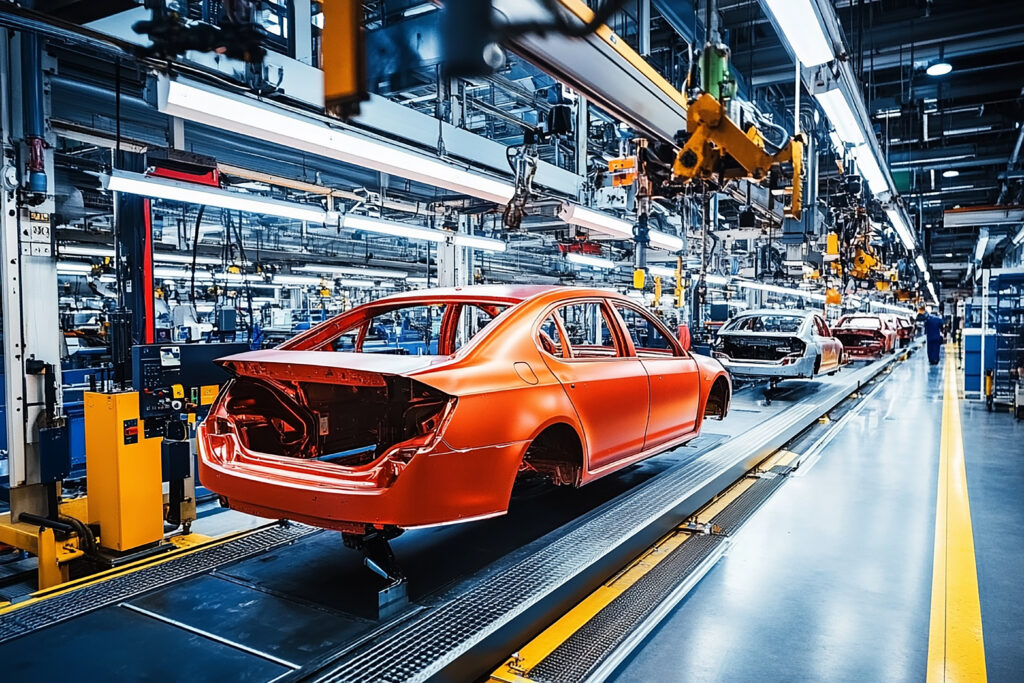
Energy costs remain elevated. Skilled labor is scarce and expensive. Regulatory and compliance overheads keep climbing. Meanwhile, the pressure to deliver vehicles at competitive price
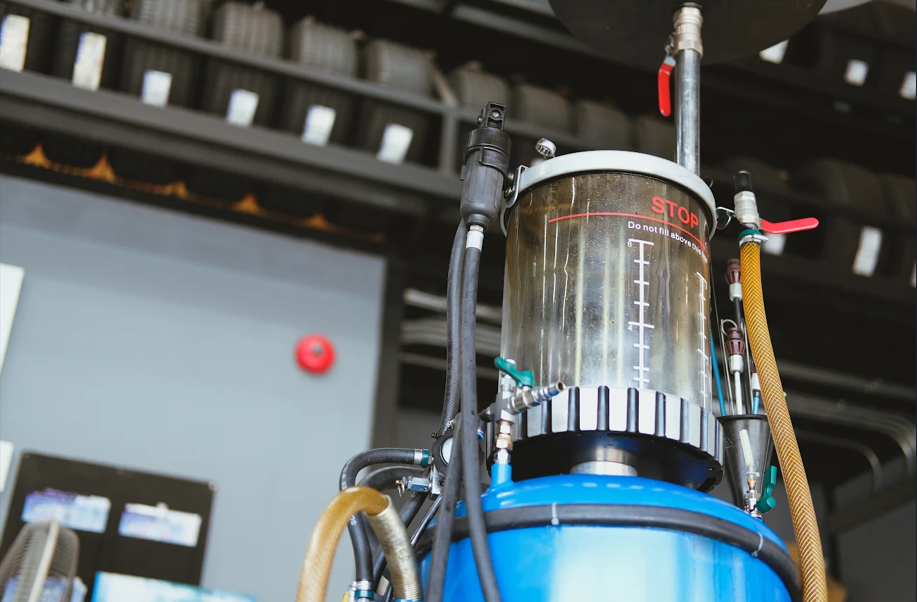
Modern manufacturing depends on controlled force, consistent motion, and repeatable output. Many industrial applications require levels of power that electric systems alone cannot provide. Hydraulic pumps play a crucial role by addressing these demands with the required power and control for such applications.
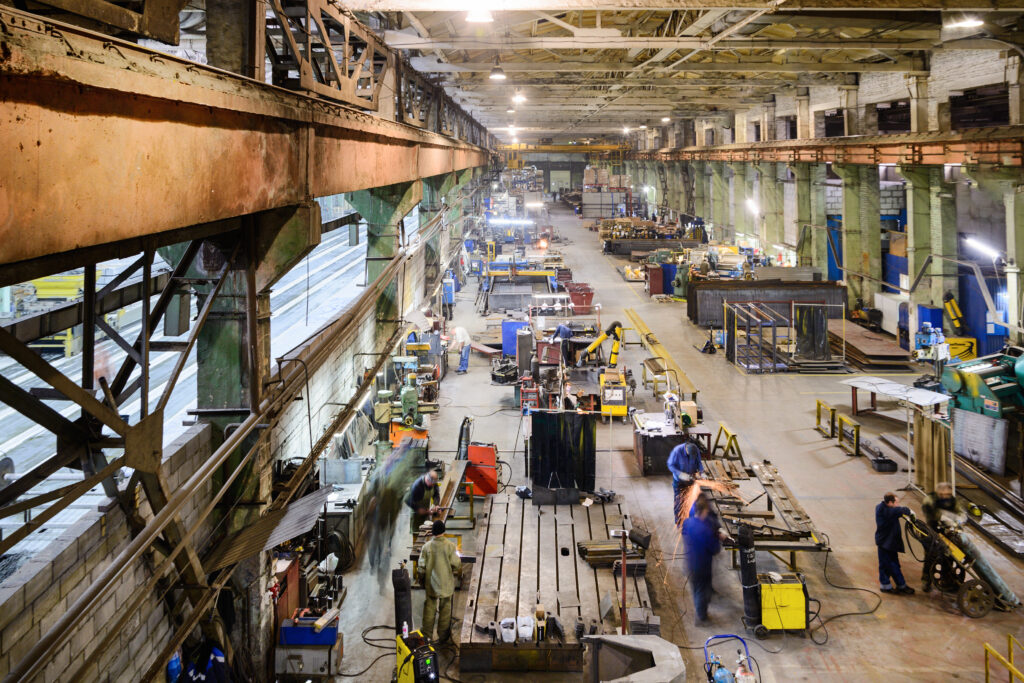
European Original Equipment Manufacturers (OEMs) play a crucial role in the global economy, producing a wide range of products across industries such as automotive, aerospace, and electronics. In recent times, OEMs in Europe have placed a huge emphasis on sustainability by implementing component recycling, such as batteries, to combat environmental pollution. European OEMs have also started integrating Artificial Intelligence (AI) in their product development and manufacturing processes, improving product efficiency.
In today’s global marketplace, Original Equipment Manufacturers (OEMs) play a key role in product creation, assembly, and market delivery. But what exactly does this term mean, and why is it so important in modern manufacturing? Let’s dive deep into understanding “what an OEM manufacturer is” and how they shape the products we use daily.