
In the world of precision component manufacturing, the difference between a product that performs flawlessly and one that fails catastrophically can come down to a matter of microns. Tolerance controls the practice of defining and maintaining allowable variation in the dimensions of machined parts is not merely a technical formality.
What Is Tolerance Control?
Tolerance control refers to the specification and enforcement of acceptable dimensional limits within which a machined component must fall to be considered fit for purpose. Every machined part has a nominal dimension an ideal target measurement and a tolerance, which defines how far above or below that target the actual dimension can deviate while still functioning correctly.
For example, a shaft designed to fit into a bearing may have a nominal diameter of 25mm with a tolerance of ±0.005mm. This means any shaft measuring between 24.995mm and 25.005mm is acceptable. Outside this range, the component is rejected. In precision component manufacturing, these ranges can be extraordinarily tight sometimes measured in single-digit microns demanding exceptional skill, tooling, and process control from manufacturers.
Why Tolerances Matter: The Physics of Fit
The reason tolerances exist is rooted in physics. When machined components are assembled together, their individual dimensions interact. A shaft and a housing, a piston and a cylinder, a gear and its mating gear each pairing depends on dimensional compatibility to achieve the intended function.
If a shaft is too large for its bearing, it will not fit, or will fit so tightly that it generates heat, wear, and premature failure. If it is too small, excessive play will cause vibration, noise, and loss of precision. The tolerance range defines the envelope within which the assembly will work as designed, accounting for thermal expansion, dynamic loads, and material properties.
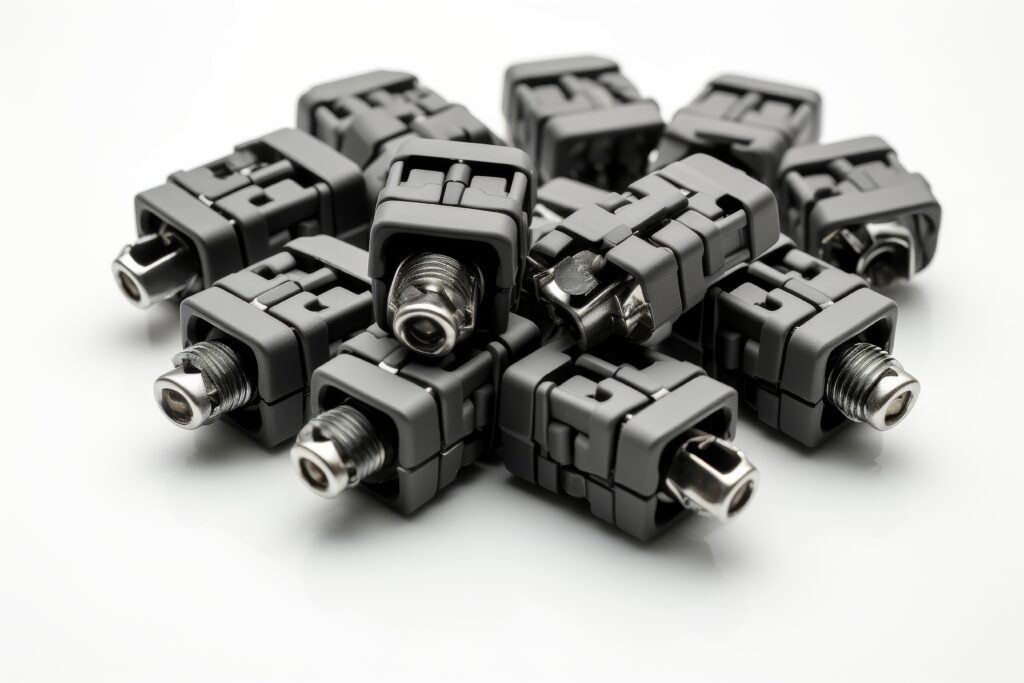
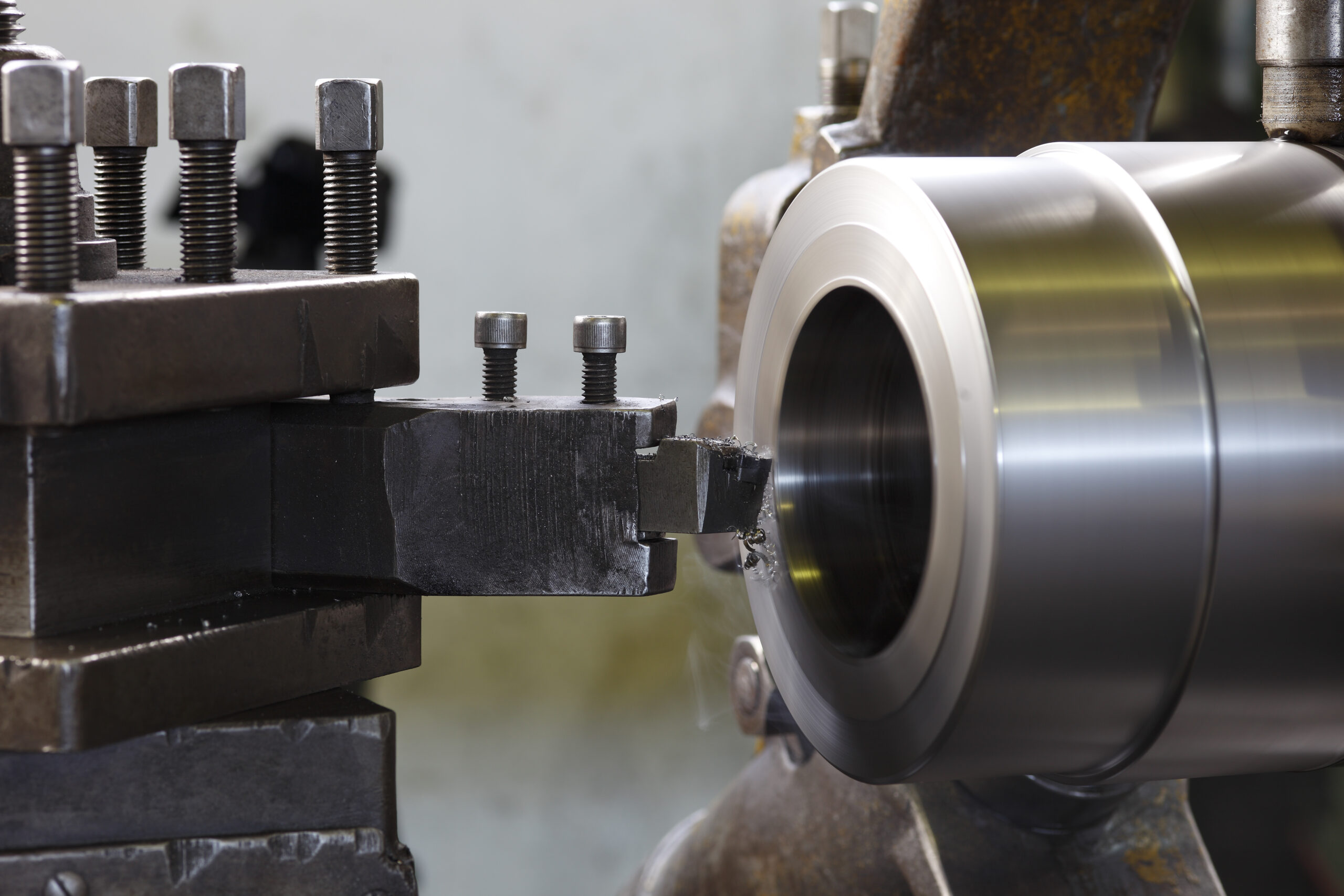
In precision turned components, this becomes even more critical. CNC turning processes are used to produce cylindrical parts such as shafts, pins, bushings, and connectors, often to tolerances measured in microns. At this scale, variations in cutting tool geometry, spindle runout, material hardness, coolant temperature, and even the thermal state of the machine itself can influence the final dimension of the part.
Check Article : What is a 5 Axis CNC Machine? Benefits & Applications in Industry
Industries Where Tolerance Control Is Non-Negotiable
Several industries rely almost entirely on the quality of tolerance-controlled machined parts to ensure safety and performance.
In the aerospace sector, precision components operate under extreme conditions of temperature, pressure, and mechanical stress. A fastener, fuel fitting, or hydraulic component that falls outside tolerance can compromise structural integrity or fluid sealing, with potentially catastrophic results. Aviation regulators mandate rigorous dimensional inspection and traceability for every critical machined component.
In medical device manufacturing, the stakes are equally high. Surgical instruments, implantable devices, and diagnostic equipment must perform with absolute consistency. A precision turned component used in a bone screw or catheter tip must meet dimensional specifications to within microns, as even minor deviations can affect biocompatibility, fit, and clinical outcome.
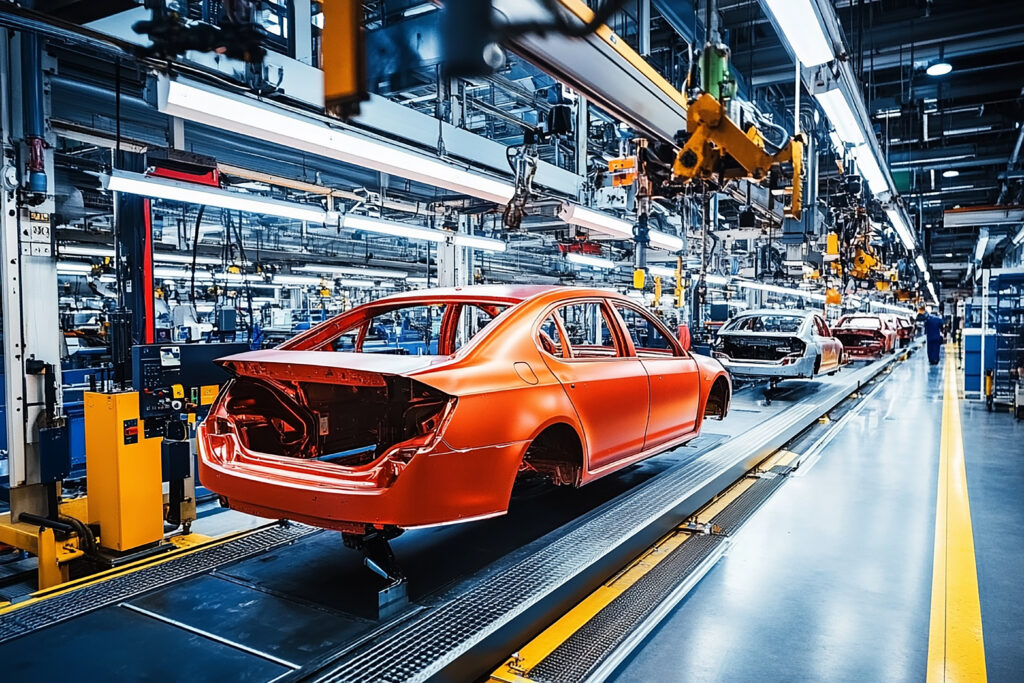
The automotive industry depends on tight tolerances in engine components, transmission parts, and fuel system components to meet performance targets, emissions standards, and durability requirements. As vehicles become more sophisticated, with hybrid and electric powertrains demanding ever-greater precision, tolerance control in machined parts has become a competitive differentiator.
The Role of Process Control in Achieving Tight Tolerances
Achieving consistent tolerances in precision component manufacturing is not simply a matter of programming a machine to the right dimension. It requires a disciplined approach to process control that addresses every variable influencing the final output.
Machine capability is fundamental. CNC machines used for precision turning must be regularly calibrated and maintained to ensure spindle accuracy, thermal stability, and geometric consistency. A machine that performs within specification at the start of a production run may drift as it warms up, making in-process measurement and compensation essential.
Tooling plays an equally important role. Cutting inserts must be selected for the material being machined and replaced at regular intervals before wear degrades dimensional accuracy. Even minor tool wear can shift dimensions by several microns over the course of a production run, making tool life management a critical element of tolerance control.
Material consistency matters too. Variations in raw material hardness, grain structure, or residual stress can cause unpredictable tool deflection and machining responses. Reputable manufacturers of precision turned components specify raw material to tight standards and often perform incoming inspection to verify conformance before machining begins.
Measurement and Inspection: Closing the Loop
No amount of process control is complete without robust measurement and inspection. In precision component manufacturing, dimensional verification is typically performed using coordinate measuring machines (CMMs), air gauges, optical comparators, and laser measurement systems instruments capable of resolving dimensions to sub-micron levels.
Statistical process control (SPC) is widely used to monitor production in real time. By charting measured dimensions against control limits, manufacturers can detect trends before they result in out-of-tolerance parts, allowing corrective action to be taken proactively. This transforms quality assurance from a reactive activity catching defective parts after they are made into a preventive discipline that maintains process stability continuously.
First article inspection (FAI) is another cornerstone of tolerance management. Before a production run begins in earnest, a small batch of machined parts is inspected comprehensively against the engineering drawing. This confirms that the machine setup, tooling, and program are capable of producing compliant components before committing to full-volume production.
Check Article Here on Raw Material Challenges
The Cost of Poor Tolerance Control
The consequences of inadequate tolerance control extend far beyond the direct cost of rejected parts. Scrap and rework consume material, machine time, and labor without generating value. But the downstream costs can be far more significant.
In assembly operations, out-of-tolerance machined components can cause line stoppages, require sorting and selective fitting, or generate warranty claims when defective products reach end users. In safety-critical applications, the reputational and legal consequences of component failure can be severe.
One of the most important skills in engineering design is specifying tolerances that are as wide as the application allows, while remaining as tight as function demands.
How Precision Manufacturers Add Value Through Tolerance Expertise
The best manufacturers of machined components are not simply machine operators. They are engineering partners who bring expertise in material selection, process planning, and tolerance stack-up analysis to every project. Understanding how individual component tolerances accumulate across an assembly and how to allocate them to minimize cost while ensuring function is a sophisticated skill that separates truly capable precision component manufacturers from commodity suppliers.
Modern precision turned components manufacturers invest in advanced metrology laboratories, digital quality management systems, and process engineering capabilities that allow them to guarantee dimensional compliance across high-volume production runs. Many operate to international quality standards such as ISO 9001 or the automotive-specific IATF 16949, providing customers with documented evidence of process control and traceability.
A Quick Thought-
Tolerance control is not a bureaucratic checkbox in the world of precision component manufacturing. It is the foundation upon which reliability, safety, and performance are built. From the tightest aerospace specification to the most demanding medical application, the ability to consistently produce machined parts and precision turned components to exacting dimensional standards defines the difference between a capable manufacturer and a genuinely excellent one. As engineering designs grow more ambitious and performance expectations continue to rise, the importance of disciplined, rigorous tolerance control in precision component manufacturing will only increase. For manufacturers and their customers alike, understanding why tolerances matter and investing in the processes, equipment, and expertise to control them is not optional. It is essential.