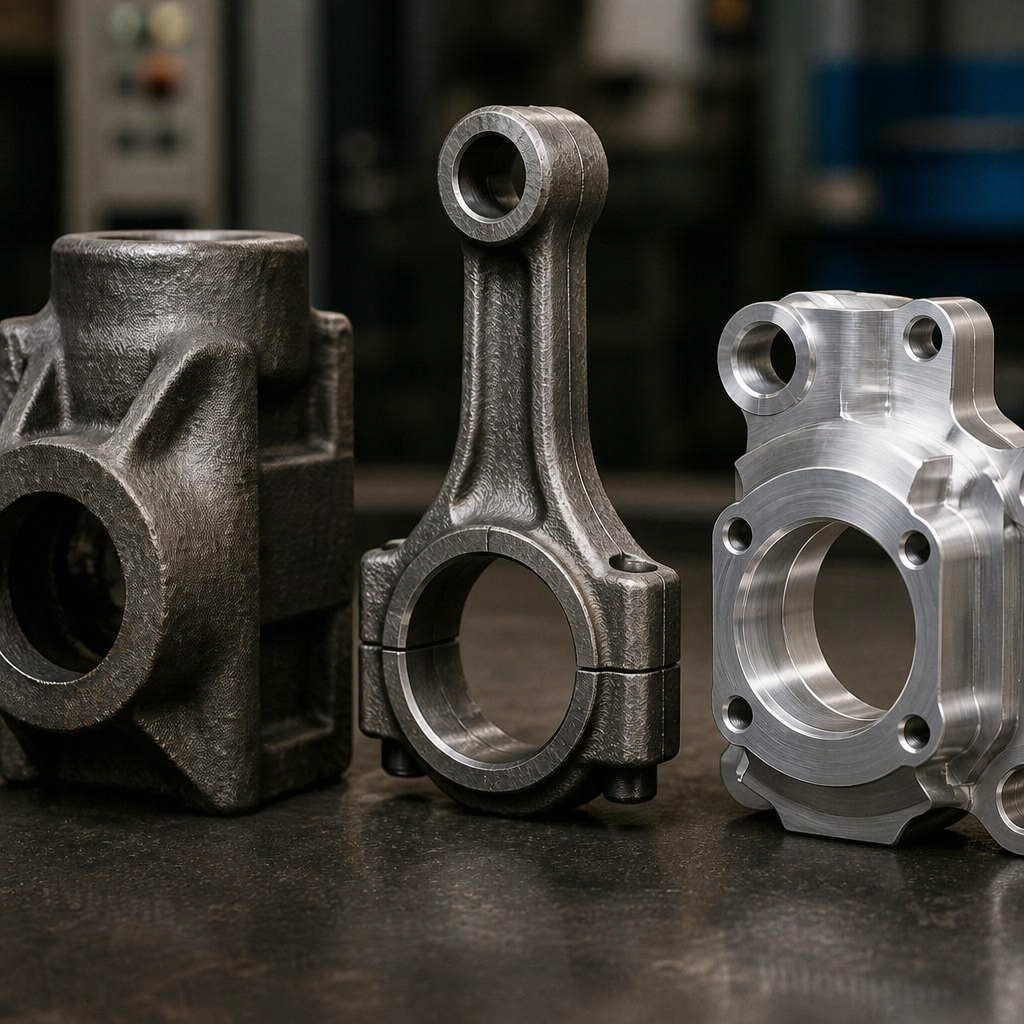
Casting vs Forging vs Machining: Which Manufacturing Process is Best?
Choosing the right manufacturing process is one of the most consequential decisions an OEM makes before a part ever reaches production. Casting, forging, and machining


Choosing the right manufacturing process is one of the most consequential decisions an OEM makes before a part ever reaches production. Casting, forging, and machining
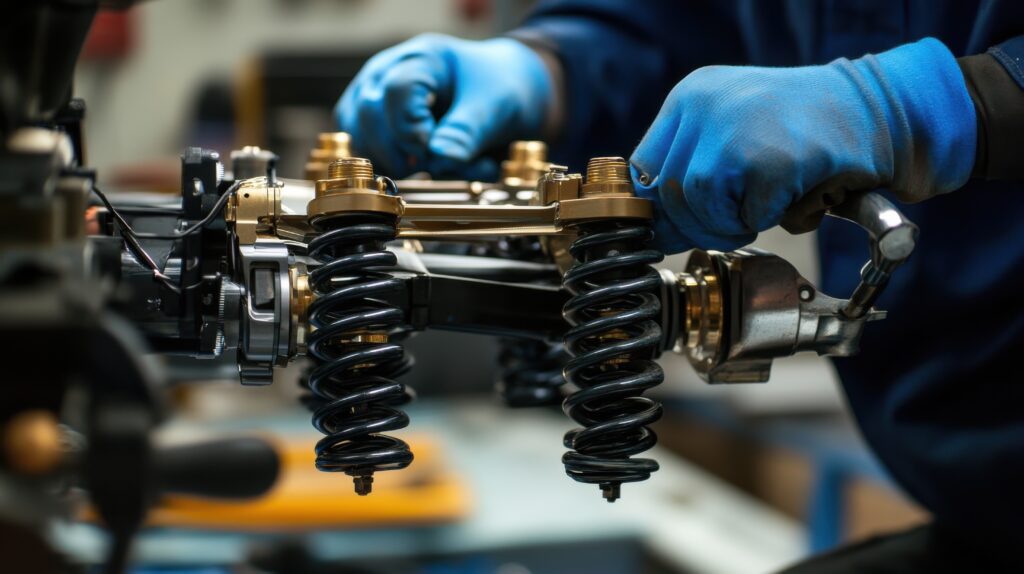
In engineering and manufacturing, the terms assembly and sub-assembly are used constantly yet they are frequently confused or used interchangeably. Understanding the distinction is essential
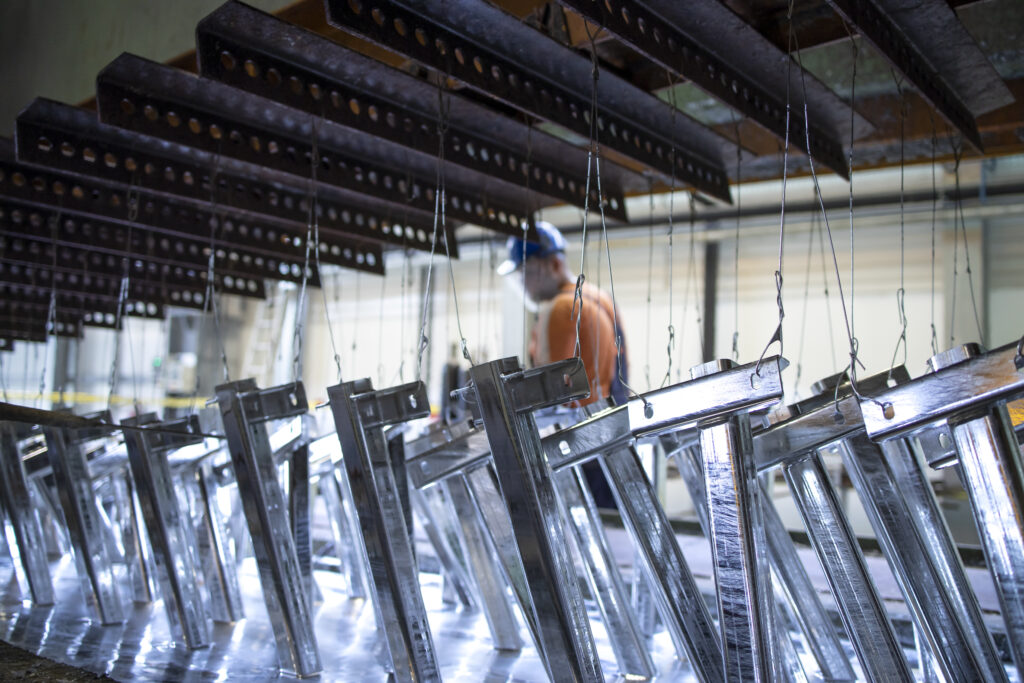
A comprehensive guide to one of the world’s most widely used corrosion-protection techniques from the chemistry of zinc to its role in modern infrastructure. Why

In today’s competitive engineering manufacturing landscape, delivering high-quality, reliable, and defect-free products is no longer optional; it is a necessity. Engineering assemblies often involve complex interactions between multiple components, vendors, processes, and sub-assemblies.

In oil and gas, performance isn’t just expected, it’s essential. Components are expected to withstand high pressures, extreme temperatures, corrosive environments, and mechanical stress over long periods of time. Whether it’s for upstream drilling equipment, midstream transportation systems, or downstream flow control units, every part must meet strict design, material, and safety requirements.

In engineering, speed, precision, and adaptability are non-negotiable. That’s where low volume manufacturing shines. Whether it’s for prototyping, bridging the gap between design validation and full-scale production, or serving niche market demands, low volume runs give OEMs the technical edge to iterate quickly, test rigorously, and launch confidently.

In sectors like automotive, aerospace, and electronics, even a tiny defect can lead to costly recalls, compliance issues, or loss of customer trust. Maintaining high-quality standards while managing operational efficiency is no easy feat. This is why many engineering and manufacturing companies are turning to Six Sigma, a data-driven approach that ensures consistency, reduces variability, and boosts overall productivity.