

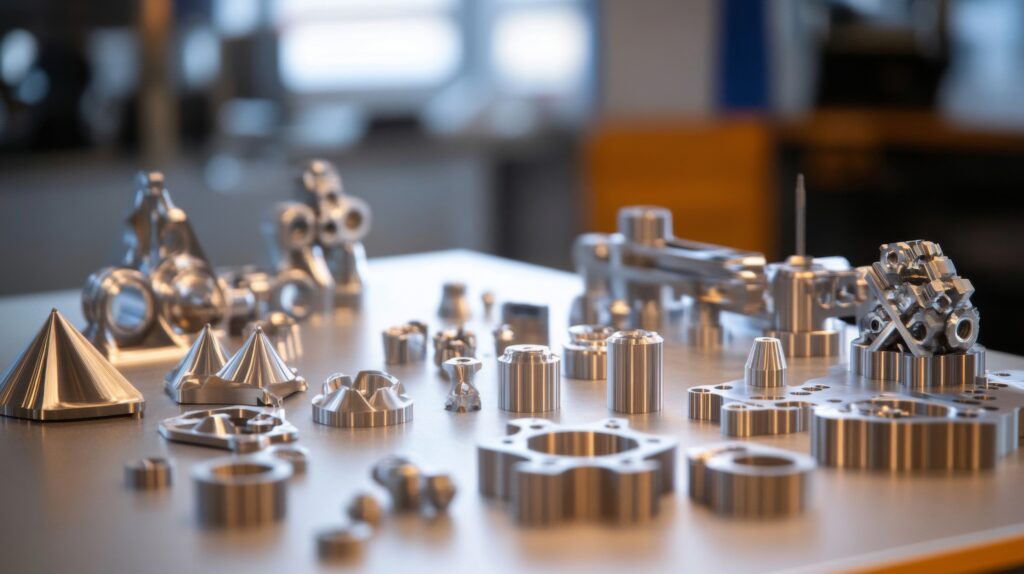
Why High-Mix Manufacturing Matters for Test Equipment and Specialized Industrial Products
The manufacturing problem nobody puts on the spec sheet A semiconductor tester, a hydraulic test bench, a calibration rig for EV battery packs: each is
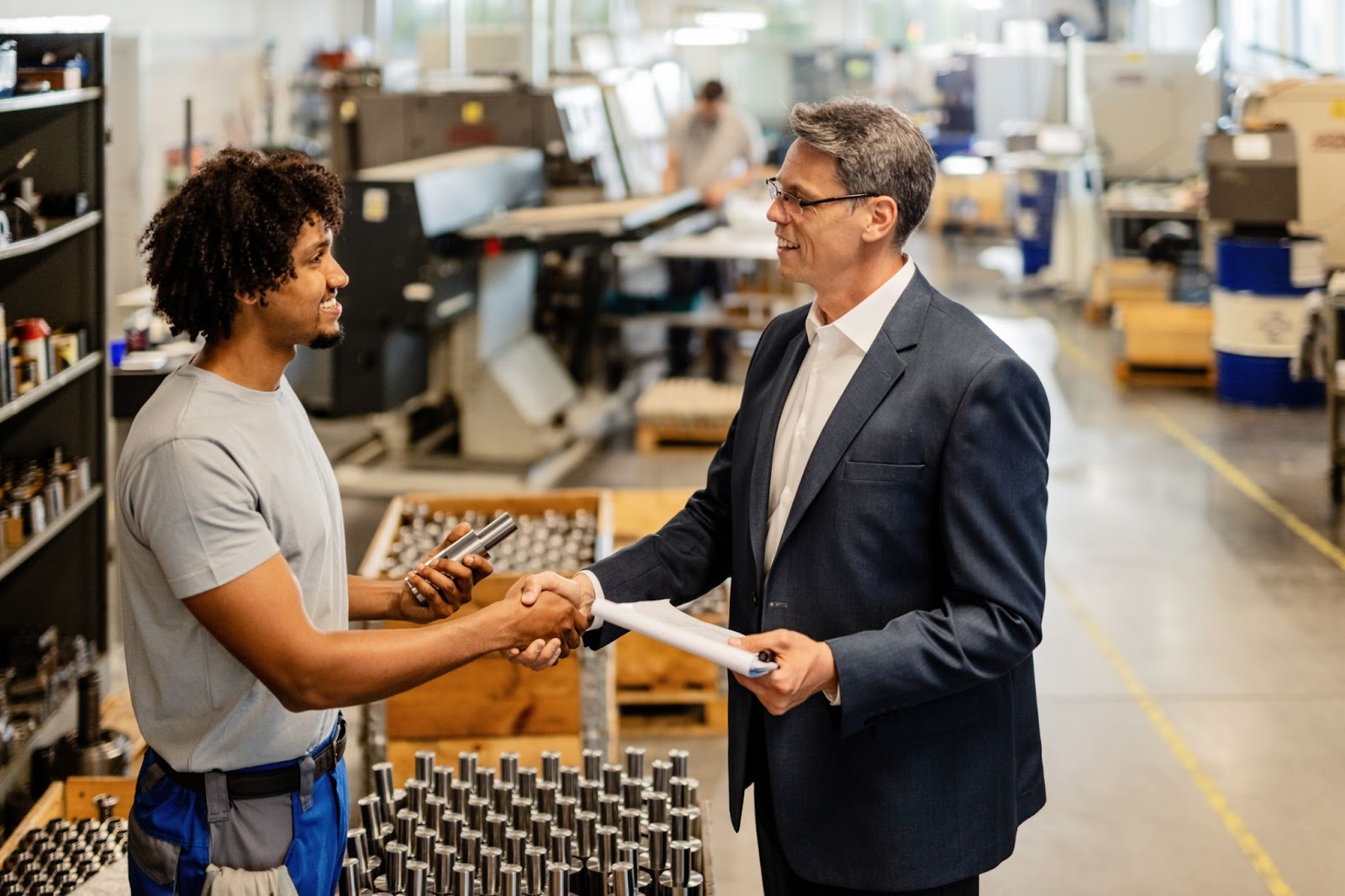
Delivering tight tolerances begins long before the first chip is cut or the first part is molded. Leading contract manufacturers invest significantly in process engineering, focusing on:
Engineers first analyze the part’s real-world behavior:
This understanding ensures the right machining strategy, material selection, and inspection plan.
For complex machined components, precision depends heavily on toolpath strategies and part stabilization.
This level of engineering insight allows manufacturers to execute reliably across many part types.
Maintaining tight tolerances in HMLV manufacturing requires machines that stay consistent across varied runs. Contract manufacturers typically rely on:
Brands like DMG Mori, Mazak, Haas, and Makino are known for their repeatability, thermal stability, and rigid construction—all essential for µm-level accuracy.
These allow quick part changeovers while maintaining positional accuracy essential in high-mix environments where setup time normally becomes a bottleneck.
For non-metal parts, process control in molding, pressure settings, and cooling systems ensure dimensional accuracy.
A mix of advanced equipment and process flexibility enables manufacturers to adapt quickly to new part requirements without compromising precision.
Technology alone cannot maintain tight tolerances not in high-mix manufacturing.
Experienced machinists, QA engineers, tool designers, and assembly specialists play a crucial role.
Why?
Because each new part presents unique challenges.
Expert engineers ensure:
A skilled workforce is the backbone of consistent accuracy.
Top contract manufacturers use real-time monitoring systems that track:
When tolerances drift (even slightly), the system alerts operators to make micro-adjustments immediately.
Some use:
This ensures every part, even in small batches, meets the required quality standards.
Tight tolerances rely on razor-sharp tools and well-maintained machines. Contract manufacturers implement:
In HMLV settings, this discipline ensures consistency across varied projects.
Quality control is often the defining factor in whether tight tolerances can be achieved repeatedly.
Contract manufacturers rely on:
Advanced Measurement Equipment:
Robust QA Methodology:
QA tools act as the final gatekeeper and provide assurance that every part even a one-off or small batch, meets specifications.
Material inconsistency can easily cause tolerance failure. Good contract manufacturers maintain:
In HMLV environments, where materials vary widely, raw material quality becomes critical.
Modern contract manufacturers incorporate digital solutions such as:
This transparency reduces human error and ensures consistent execution across varied production requirements.
Maintaining tight tolerances across high-mix, low-volume production is one of the most complex engineering challenges in manufacturing. Yet, leading contract manufacturing companies achieve it consistently through:
For OEMs, partnering with a high precision manufacturing services provider who excels in HMLV precision is no longer optional it’s a strategic necessity to ensure reliability, performance, and cost efficiency.
The manufacturing problem nobody puts on the spec sheet A semiconductor tester, a hydraulic test bench, a calibration rig for EV battery packs: each is
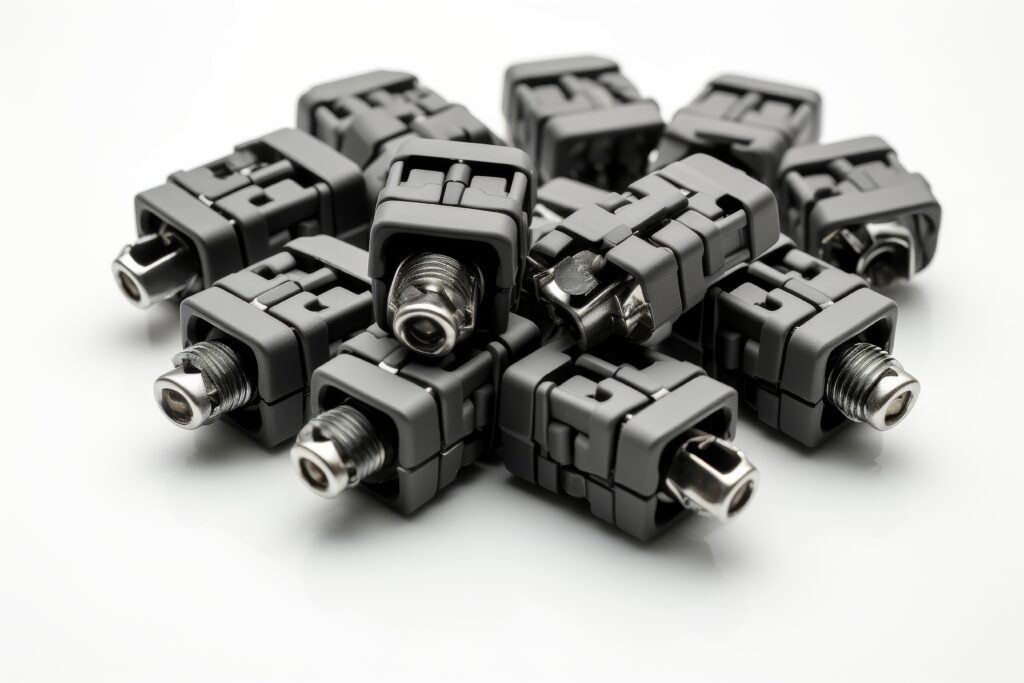
For original equipment manufacturers, plastic injection molding remains one of the most reliable and cost-effective ways to produce complex, high-precision components at scale. From automotive

For decades, the playbook for original equipment manufacturers was remarkably stable: identify a handful of trusted suppliers, usually concentrated in a small number of low-cost