...

Plastic Injection Molding Materials Explained: Strength, Heat Resistance & Industrial Use

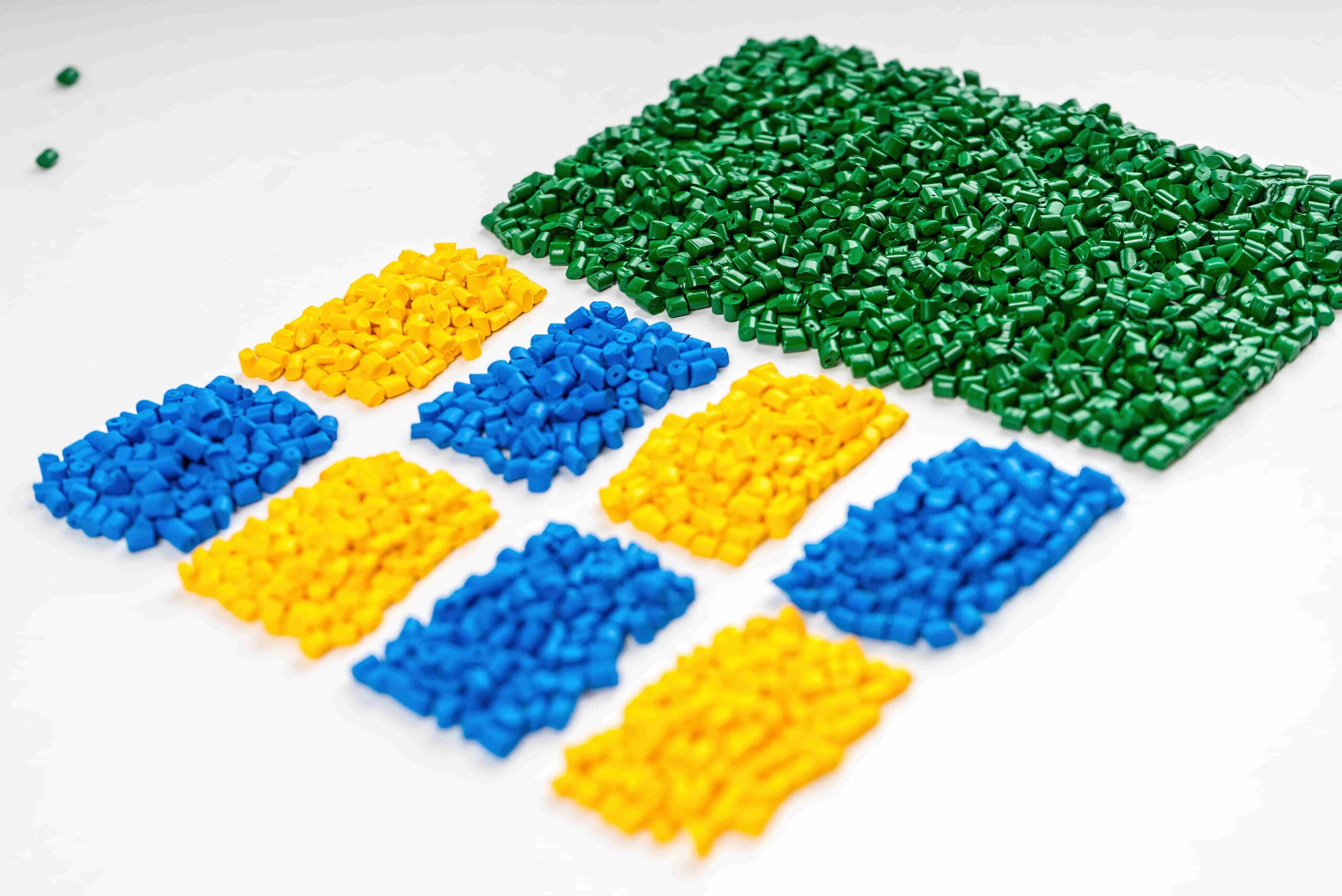
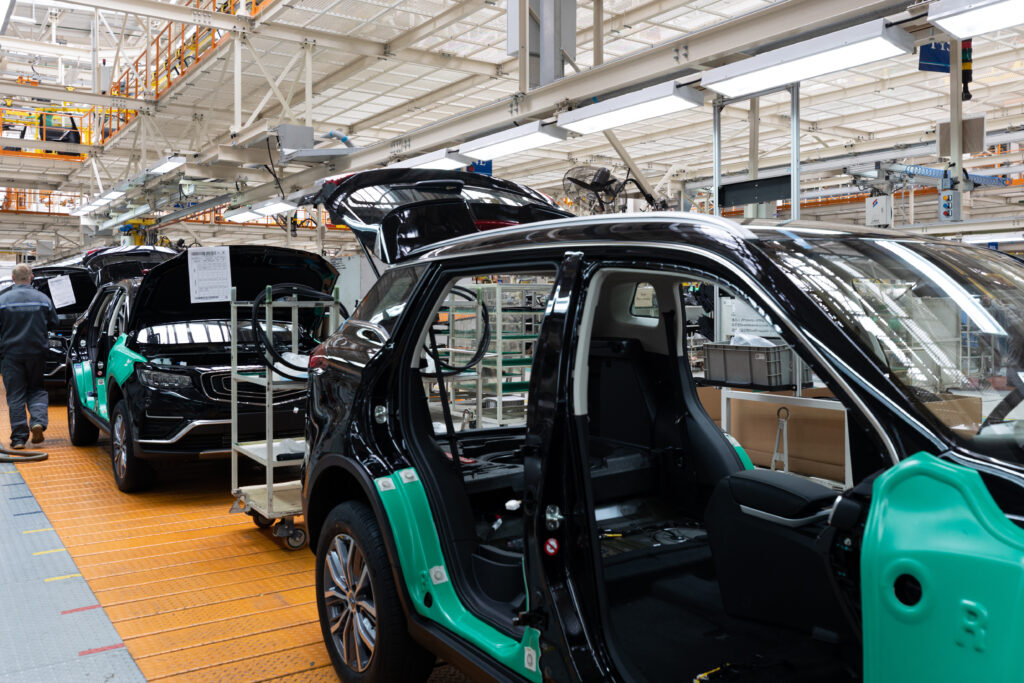
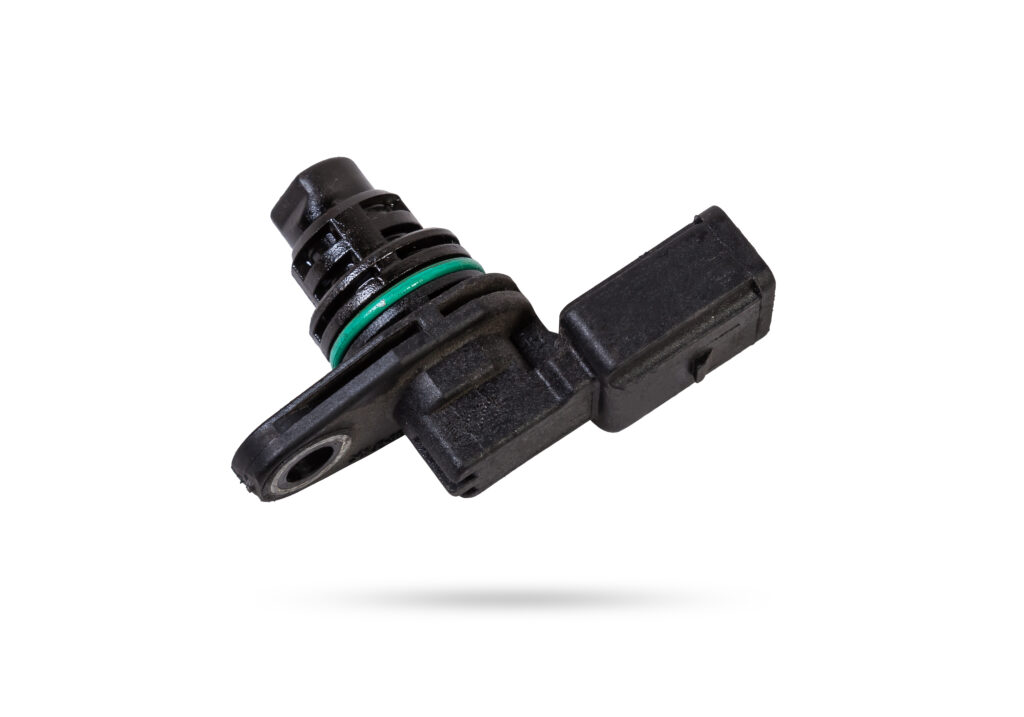
Plastic injection molding underpins smart manufacturing from automotive parts and electrical housings to consumer goods and medical components. While mold design and machinery determine processing efficiency, the choice of plastic injection molding materials defines final performance: strength, heat resistance, chemical durability, and cost.

This article explores the most widely used materials, their mechanical properties, industrial applications, cost drivers, and how manufacturers (especially custom plastic injection molding services and low volume plastic injection molding parts manufacturers) select the right resin for specific use-cases.

Overview on Why Material Selection Matters ?

Material choice affects:

  • Mechanical performance: tensile strength, impact resistance
  • Thermal tolerance: glass transition temperature (Tg), heat deflection
  • Chemical resistance: exposure to oils, solvents, moisture
  • Moldability: flow characteristics, shrinkage, cycle time
  • Cost & lifecycle: raw material cost AND lifetime performance

In industrial manufacturing, a wrong material choice can lead to premature failure, recalls, or increased contract manufacturing costs.

Core Plastic Injection Molding Materials

Below is a summary of the most common engineering and commodity plastics used today:
Material Category Tensile Strength (MPa) Heat Deflection Temp (°C) Notes
ABS Commodity 40–50 ~85–100 Good toughness; versatile
Polypropylene (PP) Commodity 30–35 ~80–100 Low cost; chemical resistance
Polyethylene (HDPE/LDPE) Commodity 20–32 ~60–90 Flexible; impact resistant
Nylon (PA6, PA66) Engineering 60–80 ~160–180 High strength; abrasion resistant
Polycarbonate (PC) Engineering 60–70 ~130–145 Very strong; transparent
POM (Acetal) Engineering 60–70 ~100–120 Low friction; dimensional stability
PBT/PET Engineering 50–70 ~120–150 Electrical insulators
TPU/TPE Elastomeric 15–30 ~50–100 Flexible; used in soft plastic injection molds
Data ranges can vary based on grade and additives.

Strength & Load-Bearing Materials

For industrial components requiring high tensile and impact resistance:

Engineering Plastics

Engineering resins like Nylon, Polycarbonate (PC), and POM are standard in heavy-duty applications.

  • Nylon (PA): Excellent abrasion resistance and fatigue life. Widely used in gears, bearings, and structural parts.
  • PC (Polycarbonate): High impact strength (virtually unbreakable). Common in safety shields, lighting components.
  • POM (Acetal): Exceptional dimensional stability and low friction ideal for precision moving parts.
Example: Load-Bearing Material Comparison
Material Tensile Strength (MPa) Impact Resistance Industrial Use Case
Nylon 66 ~75 High Gears, clips, housings
PC ~65 Very High Safety lenses, enclosures
POM ~65 Moderate Bushings, fittings
Engineering plastics often command higher material costs but reduce lifecycle failure and maintenance.

Heat Resistance: Plastic for High-Temperature Use

Heat resistance is measured by Heat Deflection Temperature (HDT) and Glass Transition Temp (Tg).
Material HDT (°C) Typical Operating Temp
ABS 85–100 <80°C
PC 120–140 ~100°C
Nylon 150–180 ~120–140°C
PBT 120–150 ~100–120°C
Key Insights
  • Nylon and PC are preferred where heat exposure and load coincide—e.g., connectors near engines.
  • HDT above 150°C often indicates suitability for demanding thermal environments.

Chemical & Environmental Resistance

Applications near chemicals, UV, or moisture must account for resistance:

  • PP & HDPE excel in chemical environments (fuels, acids).
  • ABS is moderate & good for indoor parts.
  • Nylon may absorb moisture, which alters dimensions.

TPE/TPU are ideal for seals and flexible connectors.

Specialty Materials & Additives

Resins can be modified using additives:

  • Glass-Filled Nylon: Increases stiffness and strength.
  • Flame Retardants: For electrical and appliance parts.
  • UV Stabilizers: Outdoor exposure protection.

Additives improve performance but may increase plastic injection mold maker price and processing complexity.

Custom Injection Molding Considerations

When selecting a custom plastic injection molding services partner or a low volume plastic injection molding parts manufacturer, key decisions revolve around:
  1. Material Suitability Match mechanical and thermal needs to resin properties. For critical parts, run simulations (CAE analysis) or prototypes.
  2. Molding Complexity
    Complex geometries may require:
    • Advanced flow analysis
    • Multi-cavity tooling
    • Insert or overmolding
    • Cost & Pricing
  3. Cost & Pricing
    The plastic injection mold maker price depends on:
Cost Driver Impact
Material choice 20–40%
Mold complexity 30–50%
Tolerance & finishes 10–20%
Batch size Spread tooling cost
Example:
  • Commodity plastics (PP, ABS): Lower material cost, faster cycles.
  • Engineering plastics (PC, Nylon 66): Higher material cost + heated molds.
Check more on Contract Manufacturing

Low Volume vs. High Volume Manufacturing

Low volume runs (10–5,000 parts) are typical for:

  • Startups
  • Prototyping
  • Custom industrial components

Advantages when working with specialized low volume plastic injection molding parts manufacturers:

Reduced upfront tooling risk
Faster design iteration
Economical for wearables & small batches

High volume typically demands full steel molds and optimized cycle times.

Soft Plastic Injection Molds: Elastomers and TPEs

For soft, flexible parts (seals, gaskets, grips), soft plastic injection molds use elastomeric resins such as:

  • TPU (Thermoplastic Polyurethane)
  • TPE (Thermoplastic Elastomer)

These materials behave like rubber but can be injection molded, ideal for:

Property TPU TPE
Flexibility High Very High
Wear resistance Very Good Good
Chemical resistance Good Moderate
Industrial Use Sealing, vibration dampening Overmolding grips, soft-touch parts
Processing elastomers requires precise temperature control and venting to avoid stress marks.

Case Study: Material Selection Workflow

Scenario: A contract manufacturing firm produces an industrial connector housing requiring:

  • Impact resistance
  • Operating temp up to 100°C
  • Chemical exposure

Steps:

  1. Define Requirements: Strength > 60 MPa, HDT > 100°C.
  2. Shortlist: PC, glass-filled Nylon.
  3. Prototype: Run molded samples of each.
  4. Test: Mechanical & thermal aging.
  5. Finalize Material: Choose based on lifetime performance.

Cost Comparison by Material (Illustrative)

Material Raw Cost ($/kg) Typical Mold Cycle (sec) Industrial Use
PP 1.2–1.8 20–30 Basic housings
ABS 1.8–2.5 25–35 Consumer/industrial parts
Nylon 6/66 3.5–5.0 30–45 Structural parts
PC 3.8–6.2 30–45 High-impact parts
Glass-filled Nylon 5.0–8.0 35–50 Load-bearing
Note: Pricing varies by supplier, volume, and regional fluctuations.

Selecting the Right Manufacturing Partner

When choosing a contract manufacturing or custom molding service:

🔹 Ask about material expertise (e.g., engineering plastics)
🔹 Evaluate tooling experience especially with soft materials
🔹 Review quality systems (ISO, PPAP, SPC if relevant)
🔹 Compare plastic injection mold maker price across quotes

Partnering early with experienced designers and mold makers reduces redesign cycles and improves part reliability.

Strategic Summary

Plastic injection molding materials directly impact performance, durability, and cost. Commodity plastics like PP and ABS serve general parts, while engineering plastics (Nylon, PC, POM) excel in demanding industrial use. Elastomeric resins expand functional capabilities for soft-touch or sealing applications.

For companies seeking excellence from prototyping to production collaboration with specialized providers (custom plastic injection molding services, low volume plastic injection molding parts manufacturers) is essential. Understanding material trade-offs and associated costs ensures the most robust, economical production outcomes.

Partner with Machine Maze for custom plastic injection molding services, delivering durable, efficient manufacturing from prototype through production.

Elevate product quality with low volume plastic injection molding solutions for cost-effective, high-performance parts manufacturing.

View More Blog Posts

Ready to take the next step in your manufacturing journey?

Partner with Us

Accelerate your manufacturing journey with instant quotes at competitive prices in a matter of a few hours.

Join 50+ companies trusting Machine Maze for transparent manufacturing.

What happens next?
1
Our intelligent system analyzes your requirements instantly.
2
Smart matching identifies ideal manufacturing partners for your needs
3
Fully automated, transparent process with real-time updates.
Request RFQs
top
Simplifying IT
for a complex world.
Platform partnerships