

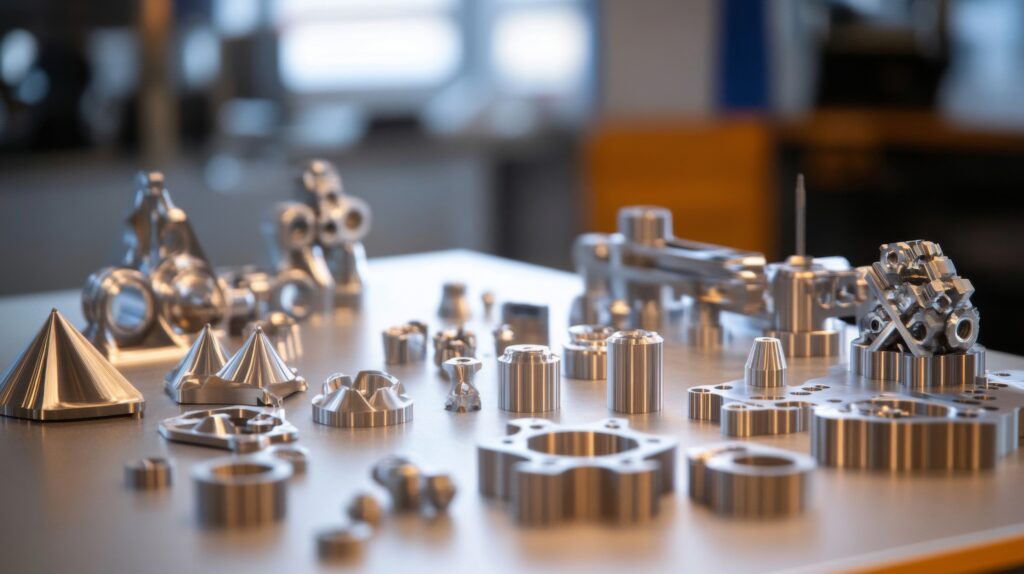
Why High-Mix Manufacturing Matters for Test Equipment and Specialized Industrial Products
The manufacturing problem nobody puts on the spec sheet A semiconductor tester, a hydraulic test bench, a calibration rig for EV battery packs: each is
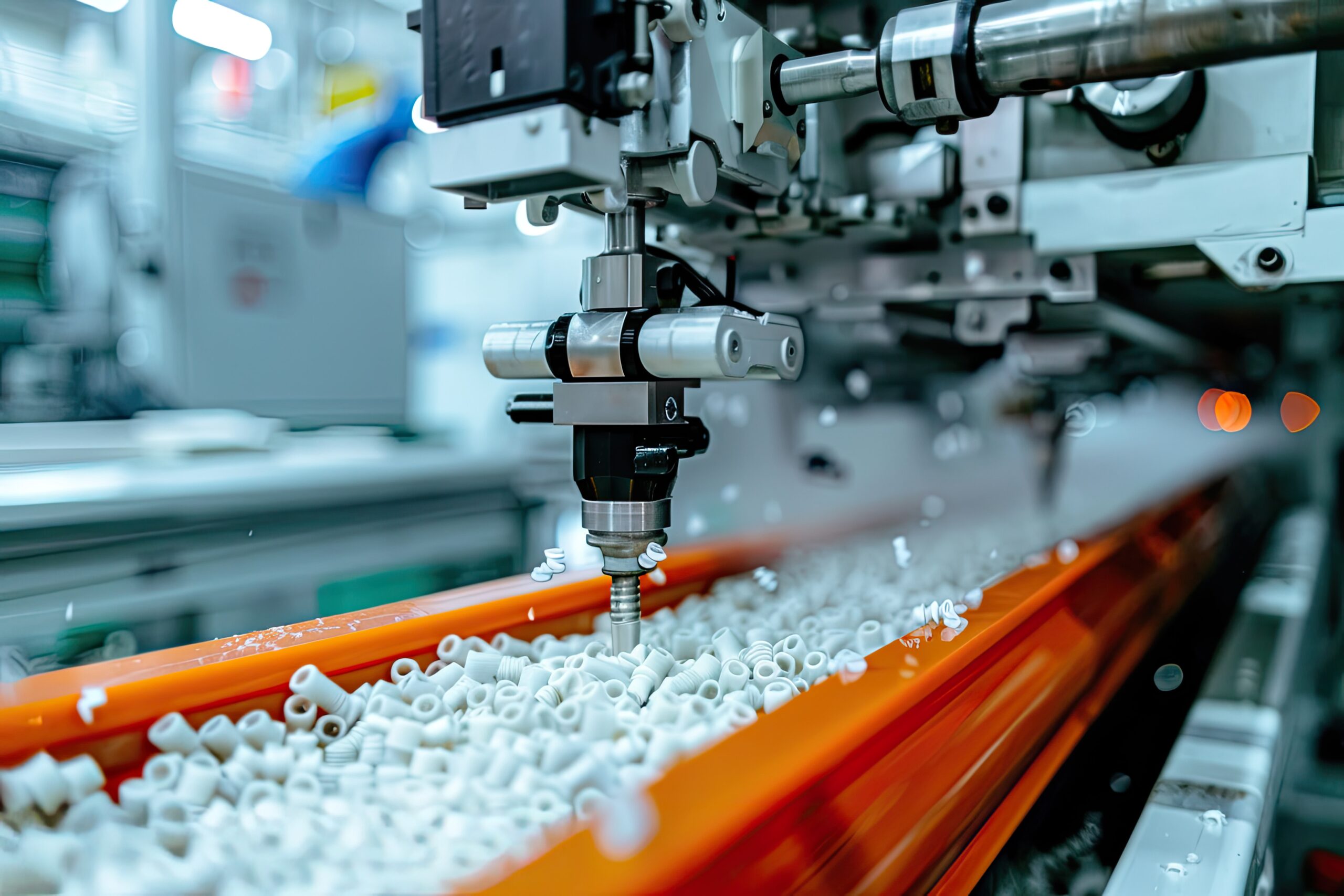
Injection moulding is a highly efficient production method where molten plastic is injected into precision-made moulds, often using rapid tooling techniques to produce complex parts quickly and accurately.
Globally, the injection moulded plastic parts market reached around USD 330 billion in 2023, and is projected to grow to over USD 424 billion by 2030, with annual growth of about 3.6%-4.8 %. In North America, the injection molding market is standing strong and valued at approximately USD 67 billion in 2024, with the U.S. contributing over 80% of the regional market. OEMs in this region benefit from faster production cycles, lower labor costs, greater design flexibility, and high-quality standards.
This growth is driven largely by thermoplastics such as polypropylene (PP) and other key resins including ABS (acrylonitrile butadiene styrene), PE (polyethylene), PS (polystyrene), PVC (polyvinyl chloride), and PET (polyethylene terephthalate).
Thermoplastics and engineering plastics like nylon are essential in component manufacturing, forming durable parts for industries, including automotive and electronics. This versatility, from low-cost commodity plastics to high-performance engineering resins, makes injection moulding the backbone of component manufacturing worldwide, combining speed and material efficiency in one streamlined process.
For North American OEMs, injection molding offers precision and consistency in component manufacturing, supporting rapid development, cost efficiency, and reliable output. This process is essential in order to stay competitive with high-quality, lightweight, and cost-effective parts.
In this guide, we will understand the uses and applications of injection moulding and how Machine Maze is mastering precision in component manufacturing using custom plastic injection molding services.
Injection moulding has several applications and benefits:
The manufacturing problem nobody puts on the spec sheet A semiconductor tester, a hydraulic test bench, a calibration rig for EV battery packs: each is
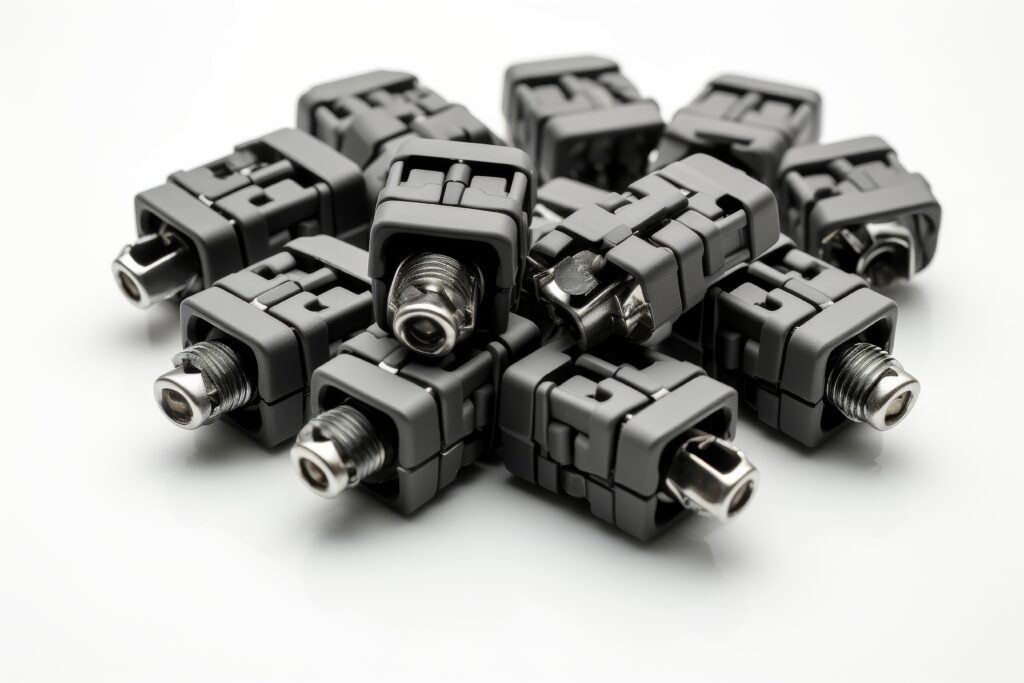
For original equipment manufacturers, plastic injection molding remains one of the most reliable and cost-effective ways to produce complex, high-precision components at scale. From automotive

For decades, the playbook for original equipment manufacturers was remarkably stable: identify a handful of trusted suppliers, usually concentrated in a small number of low-cost