

Why High-Mix Manufacturing Matters for Test Equipment and Specialized Industrial Products
The manufacturing problem nobody puts on the spec sheet A semiconductor tester, a hydraulic test bench, a calibration rig for EV battery packs: each is
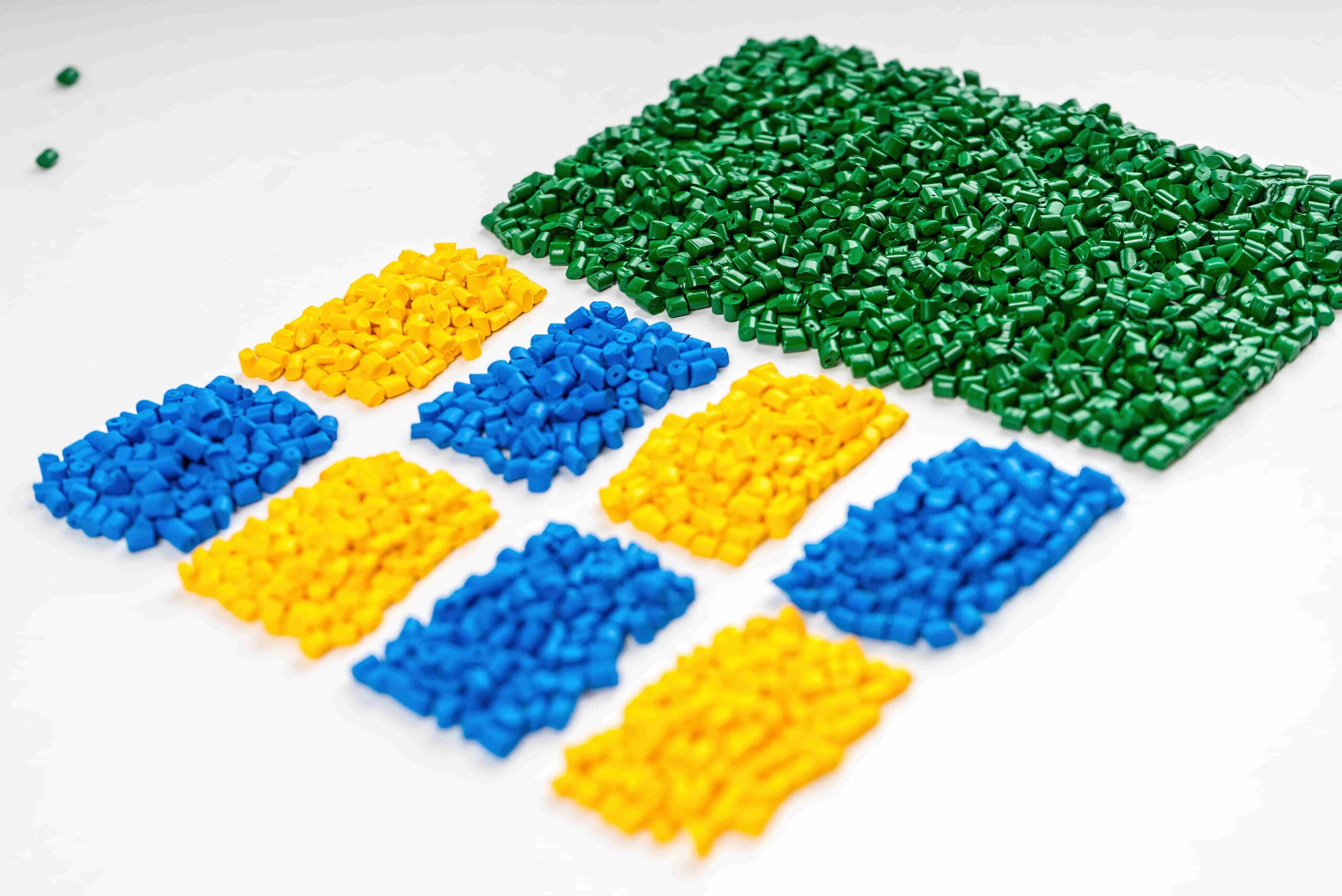
Material choice affects:
In industrial manufacturing, a wrong material choice can lead to premature failure, recalls, or increased contract manufacturing costs.
| Material | Category | Tensile Strength (MPa) | Heat Deflection Temp (°C) | Notes |
|---|---|---|---|---|
| ABS | Commodity | 40–50 | ~85–100 | Good toughness; versatile |
| Polypropylene (PP) | Commodity | 30–35 | ~80–100 | Low cost; chemical resistance |
| Polyethylene (HDPE/LDPE) | Commodity | 20–32 | ~60–90 | Flexible; impact resistant |
| Nylon (PA6, PA66) | Engineering | 60–80 | ~160–180 | High strength; abrasion resistant |
| Polycarbonate (PC) | Engineering | 60–70 | ~130–145 | Very strong; transparent |
| POM (Acetal) | Engineering | 60–70 | ~100–120 | Low friction; dimensional stability |
| PBT/PET | Engineering | 50–70 | ~120–150 | Electrical insulators |
| TPU/TPE | Elastomeric | 15–30 | ~50–100 | Flexible; used in soft plastic injection molds |
| Material | Tensile Strength (MPa) | Impact Resistance | Industrial Use Case |
|---|---|---|---|
| Nylon 66 | ~75 | High | Gears, clips, housings |
| PC | ~65 | Very High | Safety lenses, enclosures |
| POM | ~65 | Moderate | Bushings, fittings |
| Material | HDT (°C) | Typical Operating Temp |
|---|---|---|
| ABS | 85–100 | <80°C |
| PC | 120–140 | ~100°C |
| Nylon | 150–180 | ~120–140°C |
| PBT | 120–150 | ~100–120°C |
Applications near chemicals, UV, or moisture must account for resistance:
TPE/TPU are ideal for seals and flexible connectors.
Resins can be modified using additives:
Additives improve performance but may increase plastic injection mold maker price and processing complexity.
| Cost Driver | Impact |
|---|---|
| Material choice | 20–40% |
| Mold complexity | 30–50% |
| Tolerance & finishes | 10–20% |
| Batch size | Spread tooling cost |
Low volume runs (10–5,000 parts) are typical for:
Advantages when working with specialized low volume plastic injection molding parts manufacturers:
✔ Reduced upfront tooling risk
✔ Faster design iteration
✔ Economical for wearables & small batches
High volume typically demands full steel molds and optimized cycle times.
For soft, flexible parts (seals, gaskets, grips), soft plastic injection molds use elastomeric resins such as:
These materials behave like rubber but can be injection molded, ideal for:
| Property | TPU | TPE |
|---|---|---|
| Flexibility | High | Very High |
| Wear resistance | Very Good | Good |
| Chemical resistance | Good | Moderate |
| Industrial Use | Sealing, vibration dampening | Overmolding grips, soft-touch parts |
Scenario: A contract manufacturing firm produces an industrial connector housing requiring:
Steps:
Cost Comparison by Material (Illustrative)
| Material | Raw Cost ($/kg) | Typical Mold Cycle (sec) | Industrial Use |
|---|---|---|---|
| PP | 1.2–1.8 | 20–30 | Basic housings |
| ABS | 1.8–2.5 | 25–35 | Consumer/industrial parts |
| Nylon 6/66 | 3.5–5.0 | 30–45 | Structural parts |
| PC | 3.8–6.2 | 30–45 | High-impact parts |
| Glass-filled Nylon | 5.0–8.0 | 35–50 | Load-bearing |
When choosing a contract manufacturing or custom molding service:
🔹 Ask about material expertise (e.g., engineering plastics)
🔹 Evaluate tooling experience especially with soft materials
🔹 Review quality systems (ISO, PPAP, SPC if relevant)
🔹 Compare plastic injection mold maker price across quotes
Partnering early with experienced designers and mold makers reduces redesign cycles and improves part reliability.
Plastic injection molding materials directly impact performance, durability, and cost. Commodity plastics like PP and ABS serve general parts, while engineering plastics (Nylon, PC, POM) excel in demanding industrial use. Elastomeric resins expand functional capabilities for soft-touch or sealing applications.
For companies seeking excellence from prototyping to production collaboration with specialized providers (custom plastic injection molding services, low volume plastic injection molding parts manufacturers) is essential. Understanding material trade-offs and associated costs ensures the most robust, economical production outcomes.
The manufacturing problem nobody puts on the spec sheet A semiconductor tester, a hydraulic test bench, a calibration rig for EV battery packs: each is
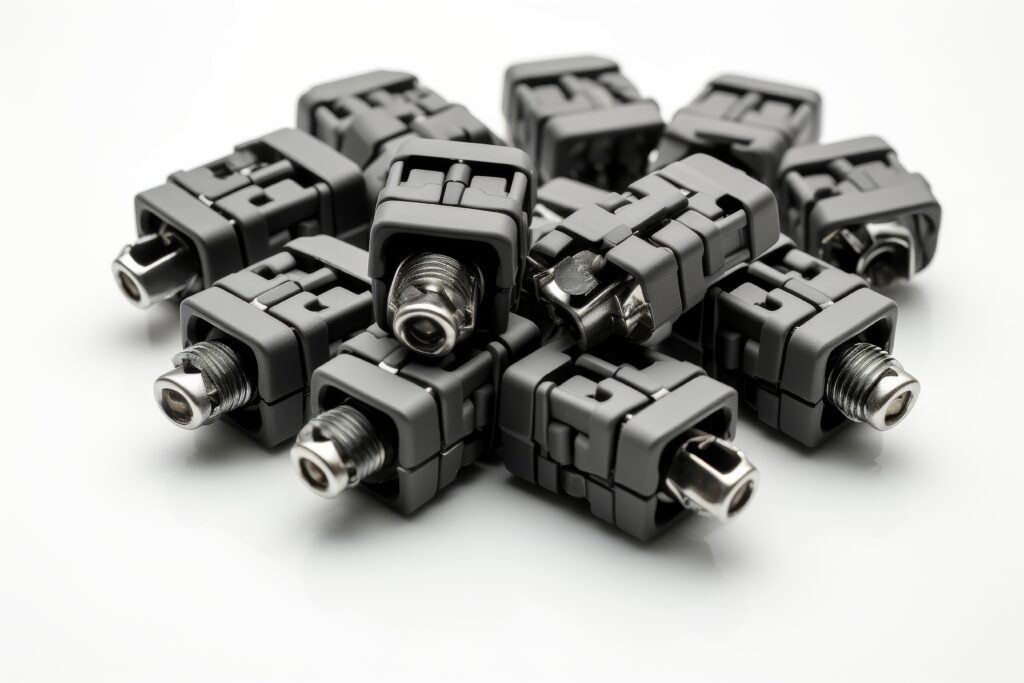
For original equipment manufacturers, plastic injection molding remains one of the most reliable and cost-effective ways to produce complex, high-precision components at scale. From automotive

For decades, the playbook for original equipment manufacturers was remarkably stable: identify a handful of trusted suppliers, usually concentrated in a small number of low-cost